CONTACT
 US NOW
Sensory play is more than just fun—it’s one of the most powerful ways babies learn about the world. Every squish, squeeze, tap, smell, or shake helps shape the neural pathways that support language, motor skills, problem-solving, emotional regulation, and overall cognitive growth. Today’s parents are increasingly aware of the importance of early sensory experiences, and high-quality materials like silicone toys make these moments safer, cleaner, and developmentally meaningful.
Below, we’ll explore why sensory play matters, how it strengthens baby brains, and how the right silicone toys can support early learning.
Sensory play involves any activity that stimulates a baby’s senses—touch, sight, sound, taste, smell, balance, and spatial awareness. While simple, sensory experiences lay the foundation for lifelong learning. Even everyday actions like grasping a spoon, mouthing a teether, or tapping a toy on the floor are powerful brain-building moments.
Silicone products are especially effective for sensory play because they offer soft textures, flexibility, vibrant colors, safe chewing surfaces, and easy cleaning—ideal for babies who explore primarily through touch and taste.
Before diving into specific ways sensory play supports cognitive growth, it’s important to understand the science:
When babies interact with a new sensation—like squeezing a squishy silicone block or sliding their fingers over a textured teether—their brain forms or strengthens neural connections. The more varied the sensory input, the richer the network of pathways that supports future learning.
Below are the key developmental areas enhanced by sensory play.
1. Strengthens Neural Pathways in the First Years
During the first three years of life, the brain develops at extraordinary speed. Sensory activities help create the wiring babies need for thinking, reasoning, and learning. When a baby touches, squeezes, or mouths a silicone toy, millions of neurons fire and connect, laying the groundwork for memory, attention, and problem-solving.
How Silicone Toys Support Neural Development
Silicone toys are especially helpful during this stage because they offer rich tactile variety—soft, flexible, textured, smooth, ridged, or bumpy. A baby gripping a silicone teether, for example, experiences resistance, temperature, shape, and texture all at once. These multi-sensory signals work together to strengthen the brain’s processing abilities and reinforce sensory integration.
2. Improves Fine and Gross Motor Skills
Sensory play also supports physical development because babies naturally move their hands, arms, and bodies while exploring. Reaching, grasping, banging, dropping, or squeezing objects exercises muscles and helps babies coordinate movement with sensory input.
Silicone Toys Make Motor Skill Practice Safer and Easier
Silicone toys—whether soft bath toys, pretend play toys, animal string-pulling toys or bright building blocks—are lightweight, easy to grip, and gentle when dropped. Babies can practice holding, twisting, pulling, or stacking with confidence. Their soft textures encourage longer playtime, which means more practice building hand strength, dexterity, and coordination.
3. Encourages Curiosity and Problem-Solving
When babies test how an object looks, moves, or feels, they are learning how the world works. Sensory play sparks curiosity, which naturally leads to experimentation and problem-solving behaviors.
Using Silicone Toys for Open-Ended Exploration
Open-ended silicone toys—like stackers, nesting sets, or shape toys—invite babies to explore freely. They can bend, squeeze, stretch, or rearrange pieces in countless ways. This flexibility allows babies to test ideas (“What happens if I squish this?” “Can this fit inside that?”), improving cognitive adaptability and early STEM skills.
4. Helps Babies Process Emotions and Self-Regulate
Sensory play isn’t only cognitive—it’s deeply emotional. Certain sensory experiences can calm babies, helping them manage stress and learn self-regulation. Soft textures and predictable sensations can soothe babies who are overstimulated or teething.
Silicone as a Comforting Sensory Material
Silicone’s soft give, gentle chewability, and warm feel make it comforting to touch. Silicone teethers and sensory toys provide safe pressure that can soothe sore gums, while textured toys help relieve tension. This emotional comfort supports healthier nervous system development, which is crucial in early childhood.
5. Supports Language and Social Development
Sensory play often encourages interaction—babies point, look toward sounds, babble while exploring textures, or mimic what adults do. These moments nurture early communication skills.
How Sensory Toys Create Communication Opportunities
Brightly colored silicone toys, rattles, or stackers can become prompts for talk:
“Soft,” “big,” “squeeze,” “up,” “down”—parents naturally describe what their baby sees or does. Hearing these descriptions during hands-on play helps babies link words to experiences, speeding up language acquisition.
Sensory play is a foundation for healthy brain development, and the right tools help babies explore, learn, and grow with confidence. Silicone toys offer the ideal combination of safety, sensory richness, and durability—supporting everything from fine motor skills to emotional comfort and early problem-solving.
If you’re a parent, explore our thoughtfully designed silicone toys to create meaningful play experiences at home.
If you're a brand, distributor, or retailer, we offer high-quality silicone sensory toys with OEM/ODM support, custom colors, logo branding, and factory-direct pricing.
Contact us to discover how our silicone baby products can support joyful learning for families everywhere.
 Most Read
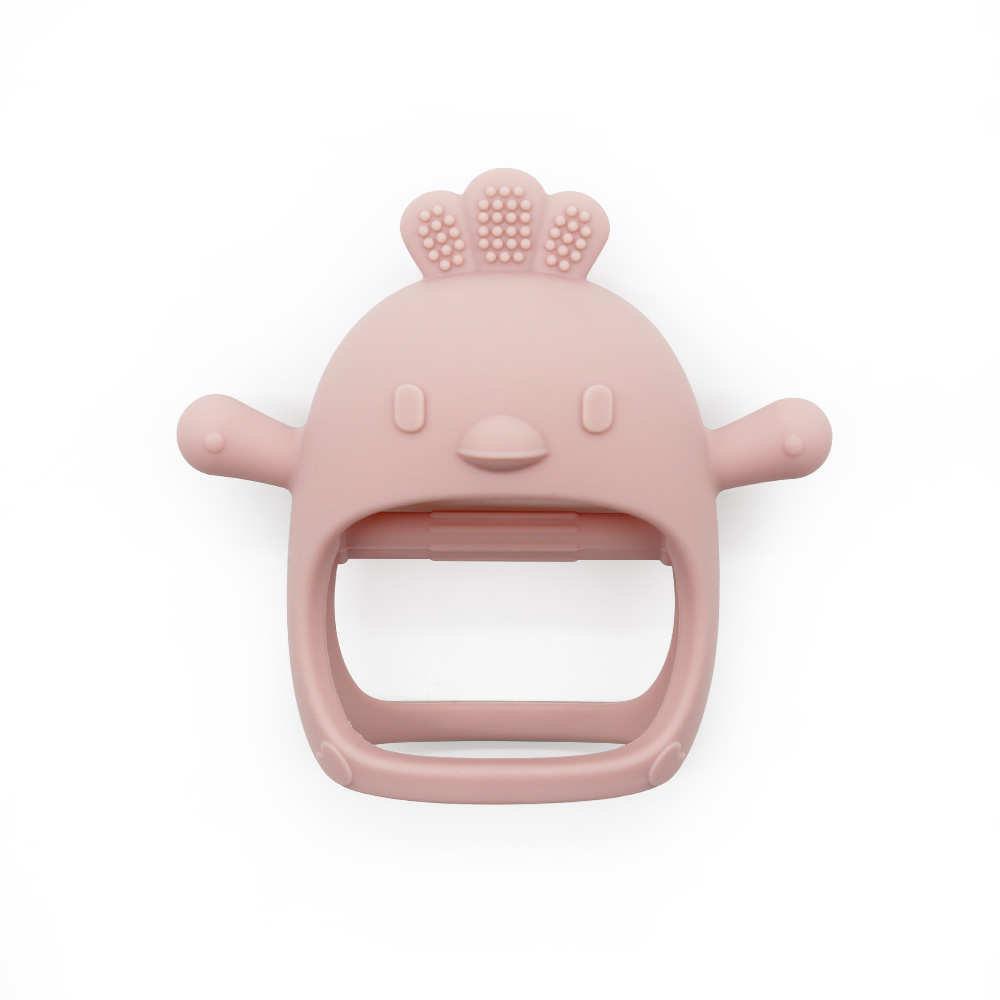
Chick Hand Silicne Teether ® Bulk
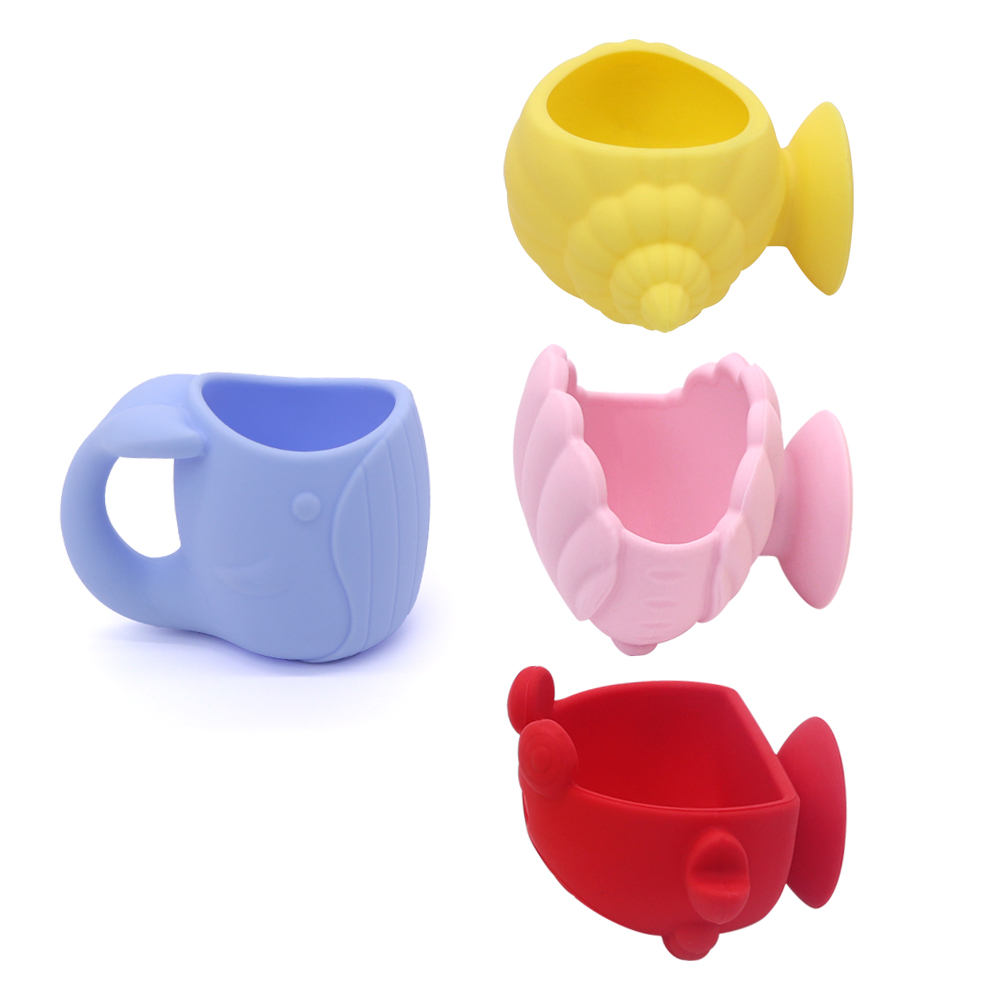
4 in 1 Kids Bath Toy®OEM
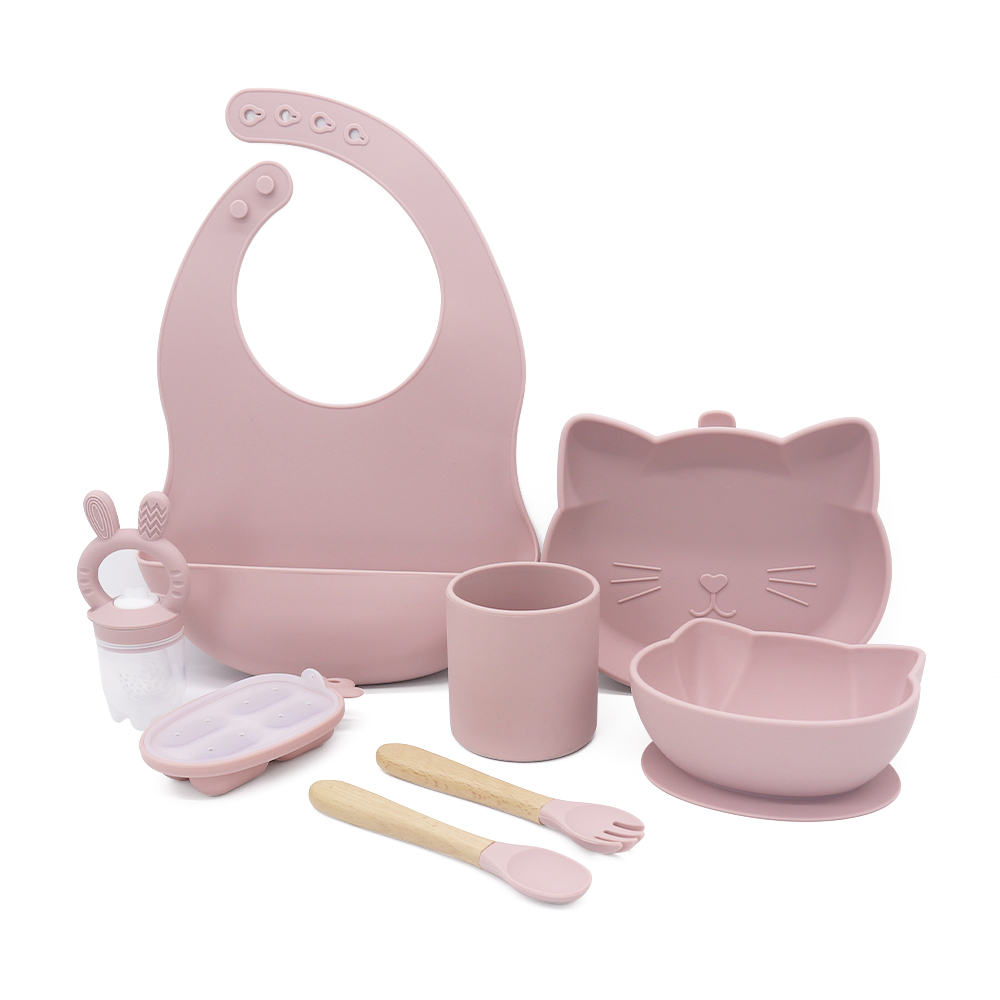
Cat Baby Silicone Feeding Set® Manufacturer
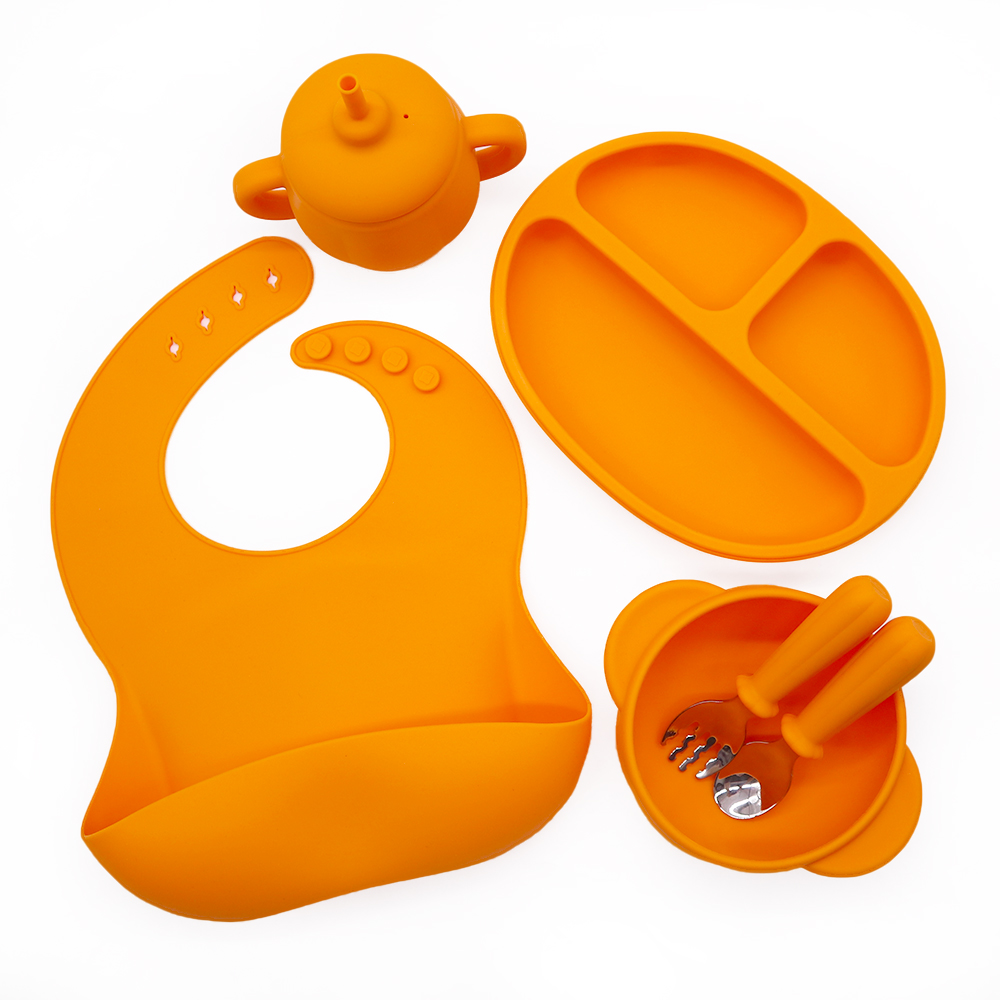
Pumpkin Baby Feeding Set ® Supplier
Christmas Pet Food Bowl® Wholesale