CONTACT
 US NOW
Teething is one of the most exciting — and sometimes challenging — milestones in a baby’s growth. As tiny teeth begin to push through the gums, babies may experience discomfort, irritability, and a strong urge to chew. This is where teethers play an important role. Not only do they provide comfort, but they also support a baby’s oral development, helping prepare little ones for healthy teeth, jaw strength, and even early speech development.
1. Timeline of Teething
Most babies start teething around 4 to 7 months, though some may begin earlier or later. The lower front teeth (central incisors) usually appear first, followed by the top front teeth. By the age of 3, most children have a full set of 20 primary teeth.
2. Common Symptoms of Teething
Parents often notice signs such as:
3. Importance of Oral Stimulation
Chewing and mouthing are natural instincts during teething. This action not only relieves pressure but also helps strengthen the jaw, gums, and oral muscles, which are important for speech and feeding skills.
Definition of a Teether
A teether is a baby-safe object designed to be chewed on, usually made from silicone, or wood. Its purpose is to soothe sore gums during the teething process.
How Teethers Relieve Gum Discomfort
When babies bite down on a teether, the gentle pressure helps massage their gums, reducing discomfort caused by emerging teeth. Some teethers are also designed to be chilled, which provides a cooling effect to numb sore areas.
Encouraging Sensory Exploration
Modern teethers often come in fun textures, shapes, and colors. This not only keeps babies entertained but also stimulates sensory development, including touch, sight, and coordination.
Age-Appropriate Designs
1. 0–6 months: Lightweight, simple designs like easy-to-grasp teething rings
2. 6–12 months: Larger, textured teethers that massage the gums more effectively or multifunctional designs for practicing more skills
Shape and Size Considerations: Always choose teethers that are big enough to avoid choking hazards but small enough for tiny hands to hold.
Safety Standards to Check: Look for certifications such as FDA, LFGB, EN71, or ASTM F963, which ensure the product has been tested for food safety and mechanical durability.
Best Practices for Using Teethers
When to Seek Professional Advice
Excessive Teething Discomfort: If your baby is unusually fussy, has trouble feeding, or shows persistent discomfort, consult a pediatrician for guidance.
Signs of Oral Issues Beyond Teething: Seek medical advice if your baby develops rashes around the mouth, refuses to feed, or has a high fever — symptoms that may not be related to normal teething.
Q1: When should babies start using teethers?
A: Most babies can begin using teethers around 3 to 4 months, when they start putting objects in their mouths. Teethers become especially helpful once teething begins, usually between 4–7 months.
Q2: How many teethers does a baby need?
A: Having 2–3 teethers is ideal. Rotating between them keeps babies interested and allows time for cleaning and drying.
Q3: Can silicone teethers go in the freezer?
A: Yes, many silicone teethers are freezer-safe. Chilling them can provide extra relief for sore gums, but avoid placing them in the deep freezer, as extreme hardness may be uncomfortable.
Q4: How do I know if a teether is safe?
A: Choose teethers made from food-grade silicone and check for certifications like FDA, LFGB, EN71, or ASTM F963. Always avoid products with detachable small parts that could pose a choking hazard.
Q5: How long can my baby use teethers?
A: Babies typically use teethers until around 18–24 months, when most primary teeth have erupted. Some toddlers may continue using them for comfort.
Teething is a natural but sometimes uncomfortable stage of early development. By providing safe and soothing silicone teethers, parents can ease their baby’s discomfort while also supporting healthy oral development. Teethers not only massage sore gums but also help strengthen oral muscles, encourage sensory exploration, and prepare babies for milestones like chewing solid foods and speaking.
With the right choice of teethers and proper care, you can make this important stage in your baby’s growth much more comfortable — for both baby and parent.
 Most Read
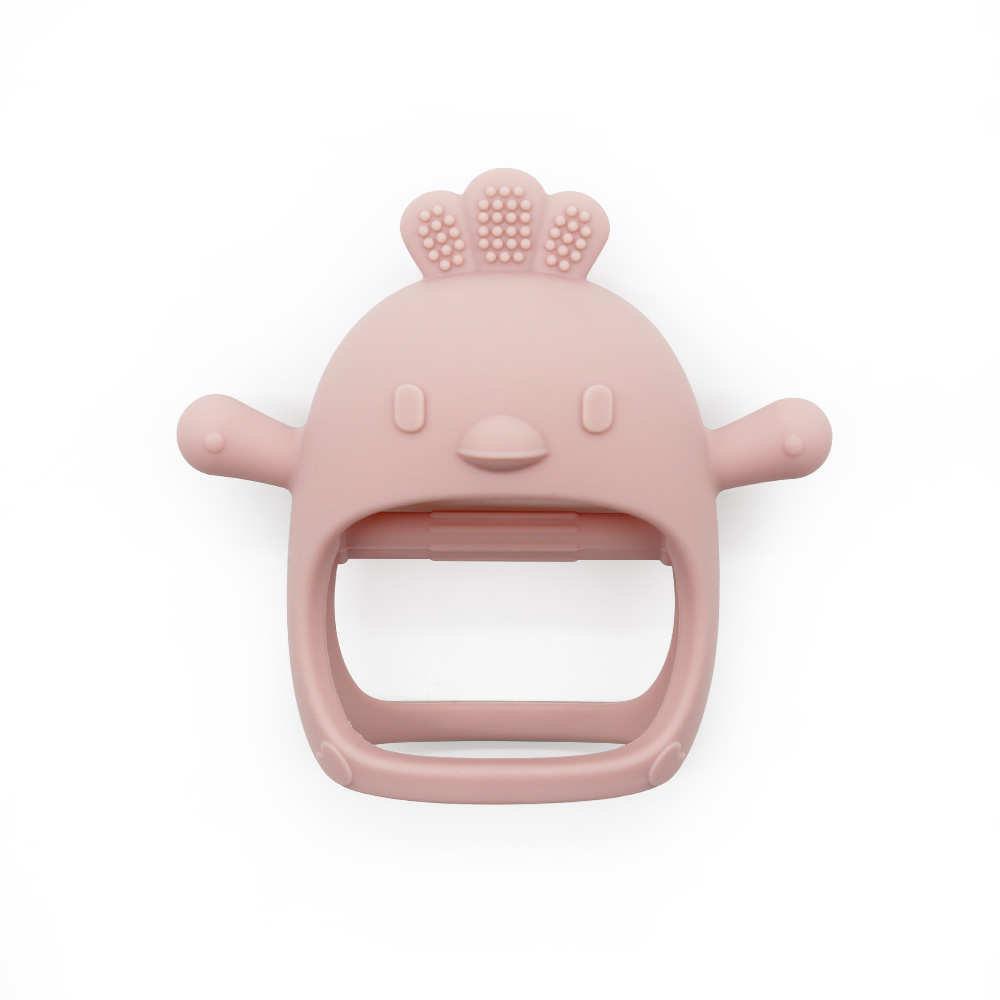
Chick Hand Silicne Teether ® Bulk
4 in 1 Kids Bath Toy®OEM
Cat Baby Silicone Feeding Set® Manufacturer
Pumpkin Baby Feeding Set ® Supplier
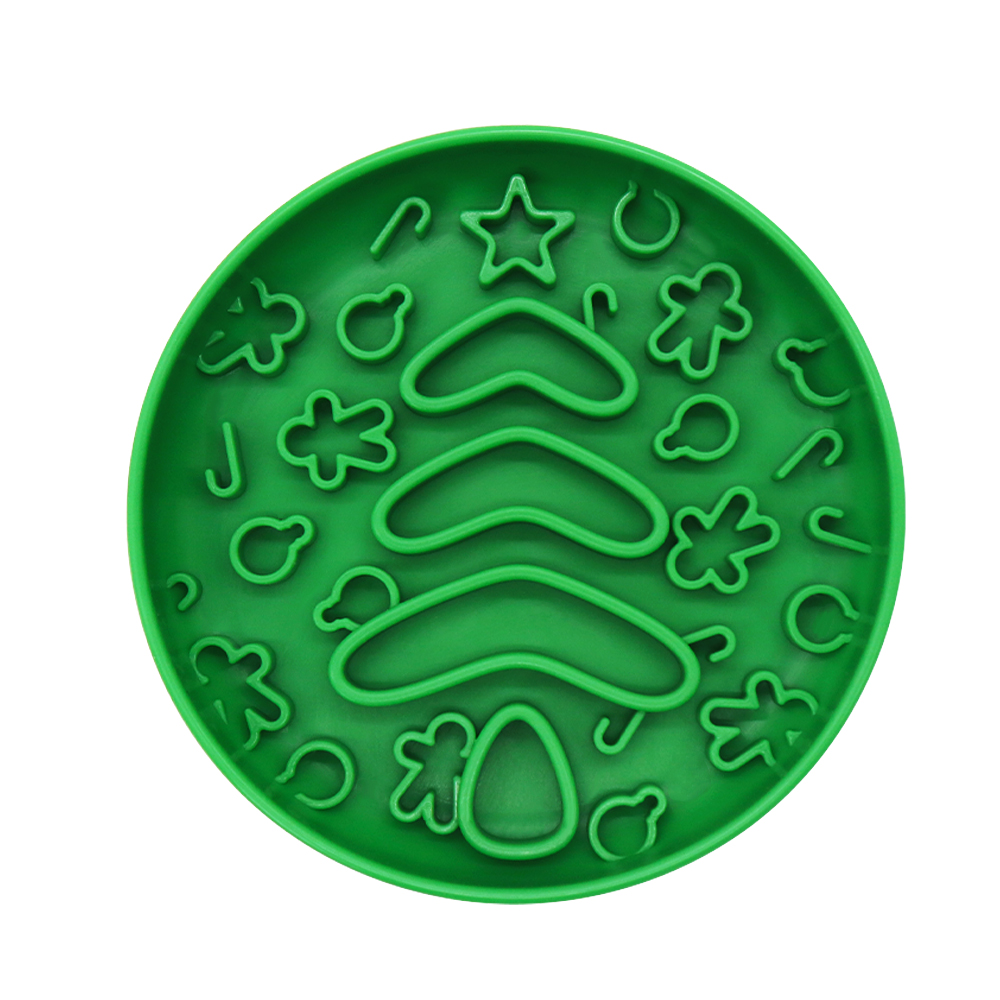
Christmas Pet Food Bowl® Wholesale