CONTACT
 US NOW
Silicone tableware has become a favorite for families because it’s safe, durable, and easy to use. From baby feeding bowls or plates to silicone lunch box for school or camping, silicone products are designed to withstand heat, resist breaking, and last for years.
However, one common issue users face is that silicone can sometimes retain odor or develop stains after frequent use. The good news is with the right cleaning methods and preventive care, you can keep your silicone tableware fresh, clean, and looking like new.
Food Residue and Oil Absorption
Silicone is slightly porous, meaning it can absorb oils and food residues over time. This is the main reason odors linger even after washing.
Strongly Colored Foods
Foods like tomato sauce, curry, and berries often leave pigments behind. These natural dyes can cause discoloration on silicone surfaces.
Improper Cleaning
If detergent is not rinsed thoroughly, or if tableware is not cleaned immediately after use, smells and stains may build up.
Too High Temperature or Too Long Time
Put silicone tableware in microwaves or ovens at a high temperature or too long time sometimes intensify food odors, leaving a lingering smell on the material.
Boiling Method
Place the silicone items in a pot of boiling water for 5–10 minutes. This process helps release trapped odors and sanitize the tableware.
Baking Soda Soak
Mix warm water with a few tablespoons of baking soda and soak the silicone overnight. Baking soda neutralizes odors naturally.
Lemon or Vinegar Wash
Soak the tableware in water with fresh lemon slices or a splash of vinegar. Both act as natural deodorizers and leave a fresh scent.
Baking Soda Paste
Make a paste using baking soda and water. Gently scrub stained areas with a soft sponge or brush.
Vinegar Solution
Soak the silicone in a 1:1 solution of vinegar and water for 1–2 hours. This helps lift surface stains without damaging the material.
Avoid Harsh Chemicals
Never use bleach or strong abrasives, as they may damage silicone and compromise food safety.
Clean Immediately After Use:Rinse and wash silicone items as soon as possible to avoid odor and stain buildup.
Use Mild Detergents: Choose gentle, food-safe cleaning products. Strong chemical detergents may leave residue.
Rinse and Dry Thoroughly: Always rinse with clean water and allow silicone to air-dry completely. Trapped moisture can cause smells.
Rotate Use: If possible, avoid using the same item for strongly colored or oily foods every day. Rotating helps reduce staining.
Even with good care, silicone products have a lifespan. Consider replacing your tableware if:
Q1: Why does new silicone tableware sometimes smell?
A: New silicone items may have a slight odor from the manufacturing process. This is normal and will fade after washing, boiling, or air-drying.
Q2: Can I put silicone tableware in the dishwasher?
A: Yes, most silicone bowls, plates, and utensils are dishwasher safe. Place them on the top rack for best results.
Q3: Is it safe to boil silicone tableware?
A: Absolutely. Boiling is one of the best ways to remove odor and sanitize silicone since it can withstand high heat without damage.
Q4: How do I keep silicone from staining permanently?
A: Rinse and wash immediately after use, especially when serving tomato, curry, or berry-based foods. Using baking soda paste for routine cleaning also helps prevent long-term stains.
Q5: When should I replace silicone tableware?
A: Replace your silicone products if they show cracks, stickiness, or deep discoloration that cleaning can’t fix. Damaged silicone may no longer be food-safe.
Q6: What’s the service life of silicone tableware?
A: The lifespan of silicone tableware depends on its material and usage habits. Choosing high-quality, food-grade silicone and following proper care can ensure it lasts up to five or even ten years with normal use.
However, for your baby's health and safety, we recommend replacing tableware after two to three years of use.
Q7: Is stained silicone still safe to use?
A: Yes, light stains don’t affect the safety of silicone tableware. As long as the material is intact (no cracks or stickiness), it remains food-safe.
Q8: Can silicone tableware be dried in the sun?
A: Not recommended. If silicone tableware expose to sunlight for a long time, the molecular structure of the surface of silicone tableware will change, causing the color to fade. It should be stored in a cool, dry and ventilated place.
Q9: Does silicone tableware hold bacteria in stains or odors?
A: No, high-quality food-grade silicone is non-toxic and resistant to bacterial growth. Odor or stains are cosmetic issues, not safety hazards, if cleaned properly.
Q10: Can I use silicone tableware for both hot and cold foods?
A: Yes! Silicone is highly heat-resistant and freezer-safe, making it suitable for everything from hot soups to frozen desserts.
While odor and stains in silicone tableware are common, they are not permanent. With natural cleaning methods like boiling, baking soda, lemon, and vinegar, your silicone bowls, plates, and utensils can stay fresh and odor-free. Preventive care—such as immediate cleaning and proper drying—extends the life of your products.
With the right maintenance, your silicone tableware will continue to be a safe, eco-friendly, and long-lasting choice for everyday meals.
 Most Read
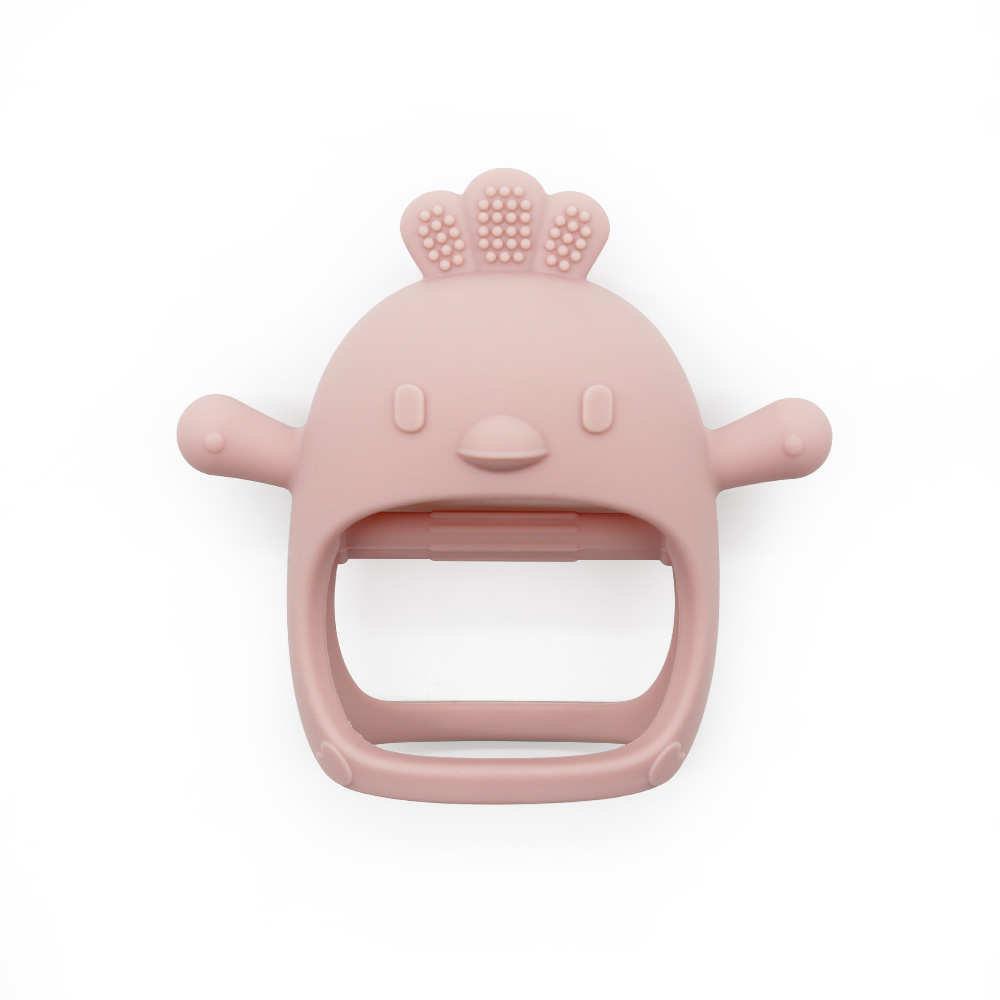
Chick Hand Silicne Teether ® Bulk
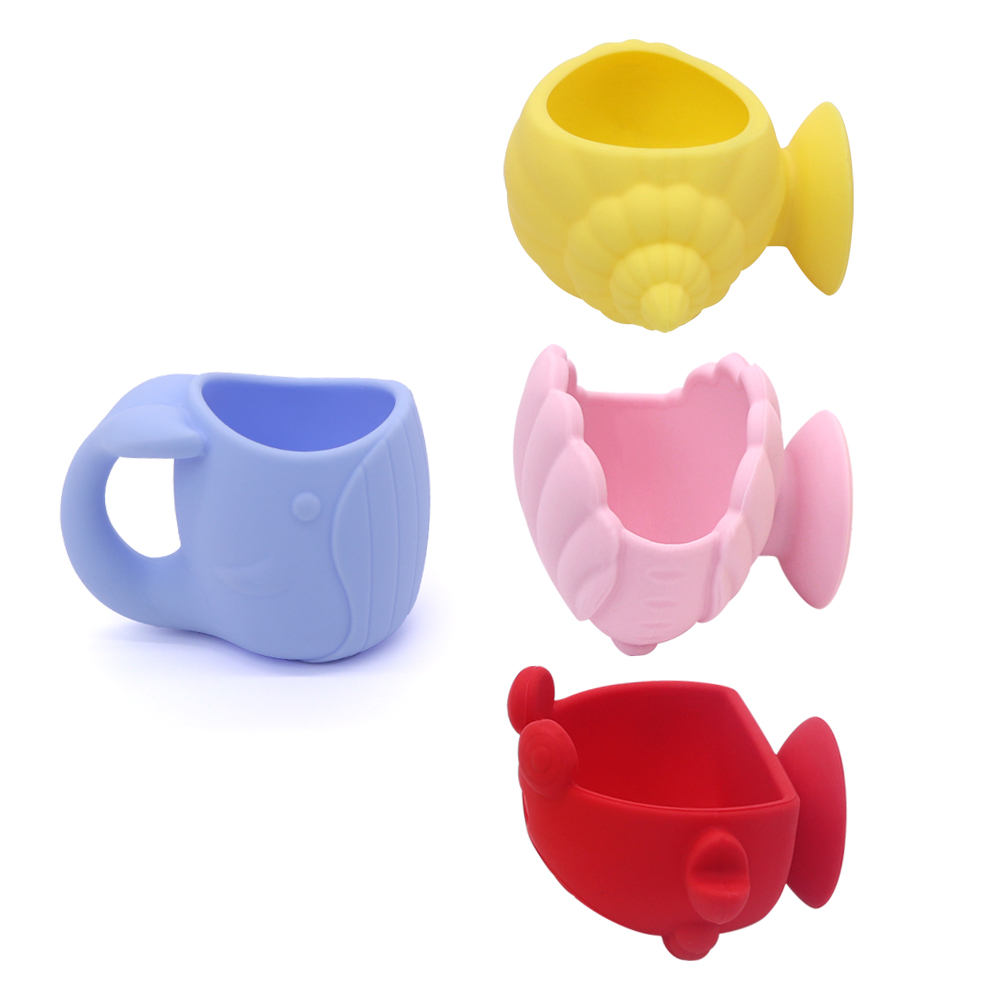
4 in 1 Kids Bath Toy®OEM
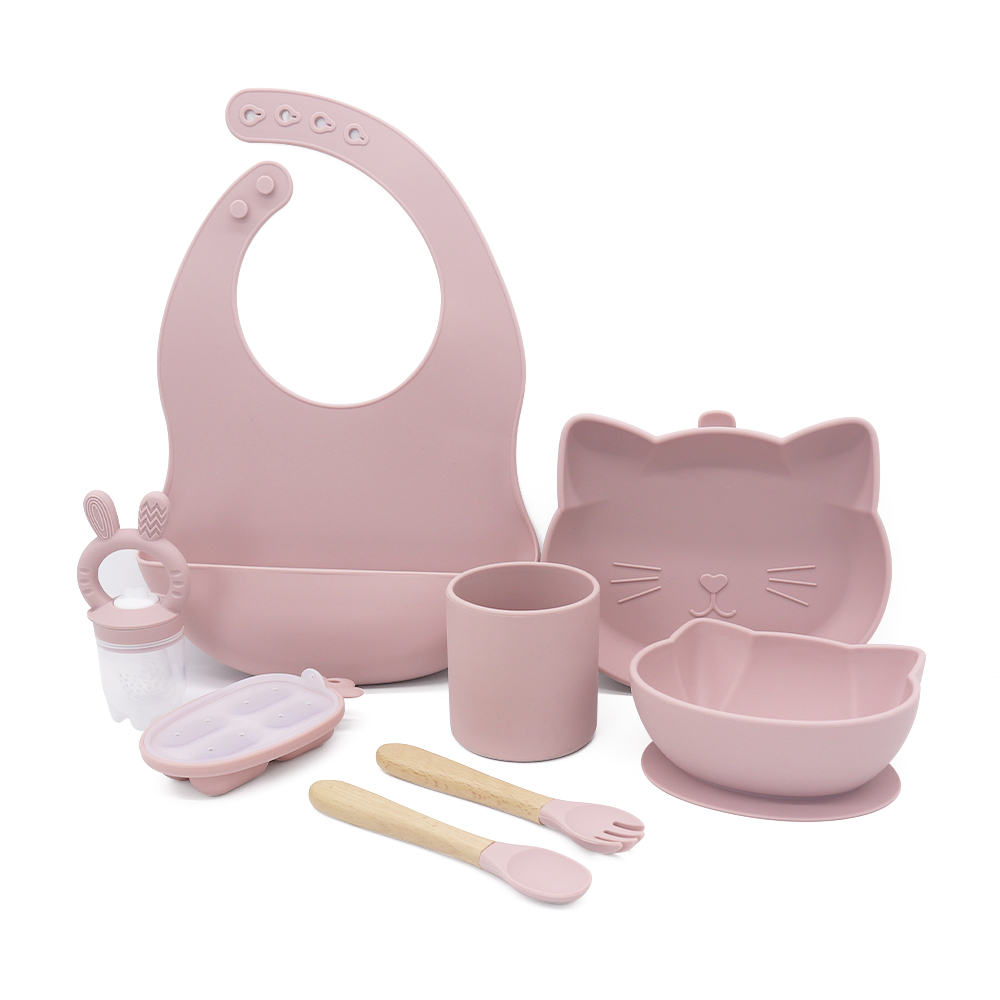
Cat Baby Silicone Feeding Set® Manufacturer
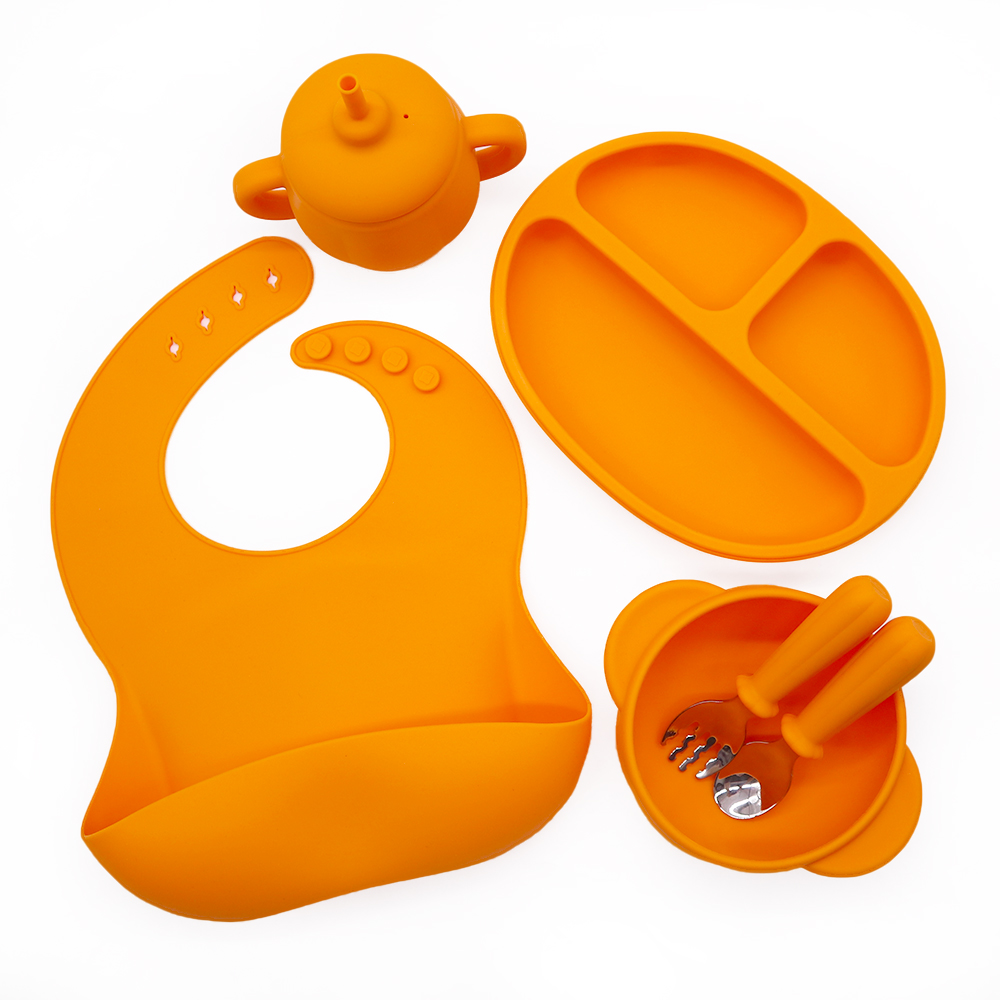
Pumpkin Baby Feeding Set ® Supplier
Christmas Pet Food Bowl® Wholesale