CONTACT
 US NOW
Teething is a major developmental milestone—and for many parents, a challenging one. As babies explore the world with their mouths, teething toys become essential tools to soothe sore gums, stimulate the senses, and support early development. Wooden teethers, in particular, have become popular thanks to their natural aesthetic and eco-friendly appeal.
But are wooden teething toys actually good for babies? What are their benefits, and what should parents be cautious about? This science-backed guide explains the true effects of wooden teething toys on babies, helping parents make an informed choice.
Wooden teethers are typically made from untreated or naturally finished hardwoods such as beech, maple. Compared with plastic toys, they are free from BPA, PVC, and other synthetic concerns. Many parents also prefer wooden toys for their durability, smooth texture, and minimalistic design.
But the material itself—wood—comes with both advantages and limitations when used for teething.
They Provide Firm Pressure for Sore Gums
Wood is harder than silicone or rubber, meaning it offers strong counter-pressure when chewed. This can be soothing for babies, especially during the early stages of teething when teeth are pushing through the gums.
Benefit: Helps relieve discomfort by massaging sore gums.
Consideration: For some babies, wood may feel too hard, and they may prefer something softer like silicone.
They Support Sensory Development—but in Limited Ways
Wood provides a unique sensory experience because of its natural texture and mild earthy smell. It helps babies explore: firmness, smooth vs. slightly textured surfaces and natural weight and temperature.
However, compared with silicone baby rattles or silicone teethers, wooden teethers usually offer less sensory variety (no flexibility, cooling effect, or different levels of resistance).
So yes—they contribute to sensory development, but not as broadly as multi-textured silicone options.
They Are Durable and Long-Lasting
One of the biggest advantages of wooden teethers is how strong and long-lasting they are. Unlike some low-quality plastic teethers that crack or deform, hardwood teethers can last for years without breaking.
Benefit: Great longevity, eco-friendly.
Consideration: If a wooden teether gets small cracks over time, it must be replaced immediately to avoid splintering.
They Can Absorb Moisture—Which Requires Careful Cleaning
Unlike silicone, wood is porous. When babies chew or drool on a wooden teether, the moisture can soak into the material. This doesn’t make the toy unsafe, but it does require more careful hygiene.
Typical cleaning guidelines:
Because wooden teethers cannot be sterilized at high temperatures, they may not be ideal for parents who need frequent deep-cleaning.
Wooden Toys Must Be Finished Safely
Safe wooden teethers should be:
Parents should avoid any teether with paint or coatings that may chip. Babies put everything in their mouths, and any loose finish is a choking hazard.
Potential Allergy Considerations
Though rare, some babies may have sensitivities to: certain wood types or natural oils used to finish the teether. If a baby shows redness or irritation around the mouth, discontinue use and test a different material.
Both have their strengths. Here’s a balanced view:
Wooden Teethers
Pros:
Cons:
Silicone Teethers
Pros:
Cons:
In most developmental guidelines, soft, flexible, food-grade silicone is generally recommended as the safest and most comfortable material for teething babies. Wooden teethers can complement silicone products but may not replace them fully. If you’re interested in, you can feel free to look through our website.
If parents love wooden teethers, should look for:
Beech vs. Maple vs. Schima Wood: Which Wood Is Best for Teething Toys?
When choosing a wooden teether, the type of wood matters more than most parents realize. Different woods have different hardness levels, textures, and safety characteristics, which directly affect a baby’s comfort and safety. Here’s a closer look at three common wood types used in teething toys.
1. Beech Wood: Durable, Non-Splintering, and the Most Popular Choice
Beech is one of the most widely used woods for baby teethers—and for good reason.
It is a dense, hard hardwood with a smooth, fine grain, meaning it rarely splinters when properly finished. Beech also has a natural resistance to compression, making it strong enough to withstand constant chewing and moisture exposure. Key advantages of beech wood:
Because of its reliability, many reputable brands choose beech as their primary material for wooden teething toys.
2. Maple Wood: Hard, Smooth, and Known for Safety
Maple wood is another premium option. Slightly harder than beech, maple is prized for its durability and ultra-smooth finish. It has tight, uniform grain patterns, which help prevent splintering. Benefits of maple wood:
Maple is also popular in baby products like cutting boards, pacifier clips, and teething rings because of its toughness and clean appearance.
3. Schima Wood: Lightweight but Less Common
Schima wood (also known as needlewood) is used in some wooden baby products, especially in Asia, because it is lightweight and easy to shape. However, compared with beech and maple, schima is softer and less dense, meaning it may wear down faster with heavy chewing. Features of schima wood:
While schima is not unsafe, it simply does not offer the same long-term durability or resistance to splintering as beech or maple.
Which Wood Is Best for Teething Toys?
1. Best Overall: Beech Wood
Beech provides the best balance between hardness, safety, moisture resistance, and durability. It’s widely accepted in premium baby teething products and holds up extremely well under repeated use.
2. Excellent Alternative: Maple Wood
Maple is equally safe and sometimes even harder, offering a super-smooth feel. It’s an excellent option.
3. Not Recommended as First Choice: Schima Wood
While not inherently unsafe, it is softer, absorbs more moisture, and may show wear sooner. Schima wood can be used for toys, but it’s less ideal for teething toys, which require frequent, strong biting.
Yes—wooden teethers can be a safe and beneficial option, as long as parents understand the material's natural limitations. They are best used as part of a variety of teething tools, rather than as the only option.
And this is exactly why many families choose to combine wooden toys with silicone teething products, which:
Melikey’s food-grade silicone teethers and rattles—safe, flexible, and thoughtfully designed—fit naturally into this kind of balanced approach.
Wooden teething toys can be safe, natural, and soothing, especially for parents who prefer eco-friendly materials. They offer firm gum relief and timeless, durable design. However, they require more careful cleaning, regular inspection for cracks, and do not provide the same sensory variety or softness that silicone offers.
For most families, the best approach is combined use: wooden teethers for firm pressure and natural textures, silicone teethers for hygiene, flexibility, and advanced sensory stimulation. Parents can choose based on their baby’s preferences and needs—because every child is different.
 Most Read
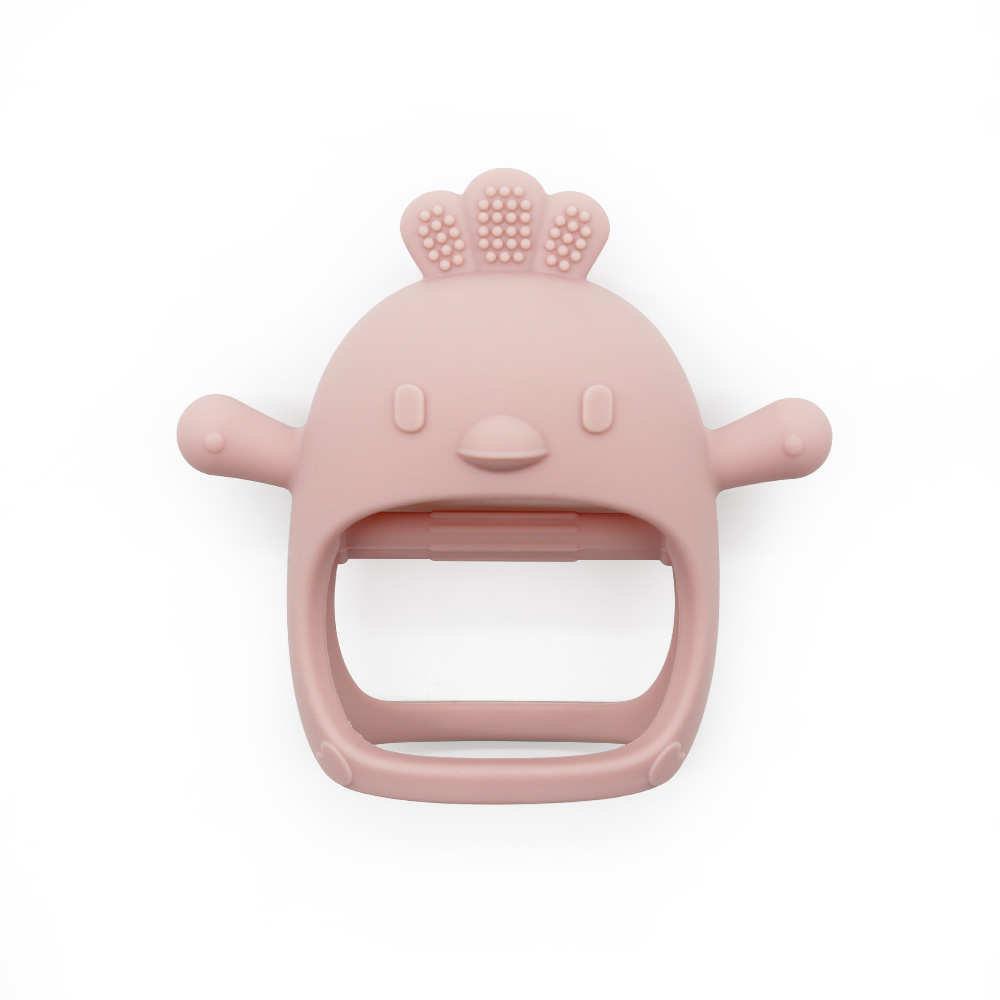
Chick Hand Silicne Teether ® Bulk
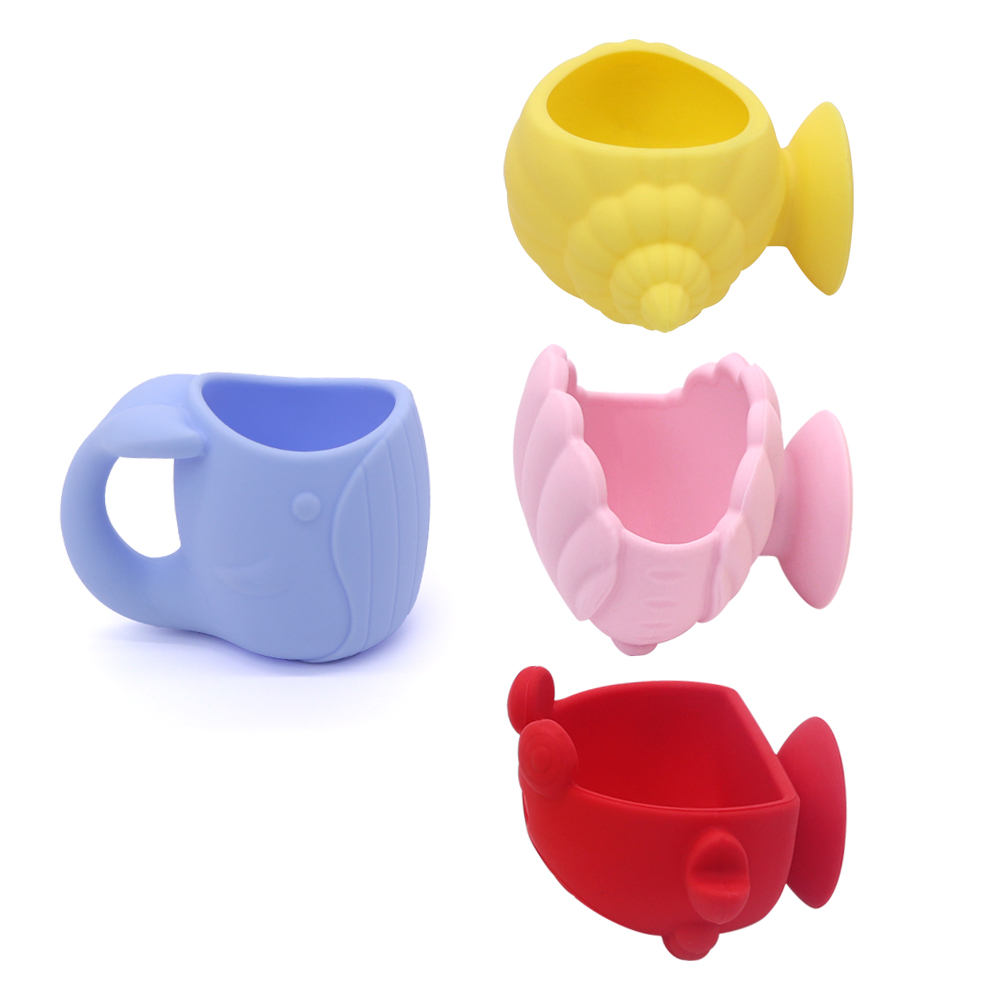
4 in 1 Kids Bath Toy®OEM
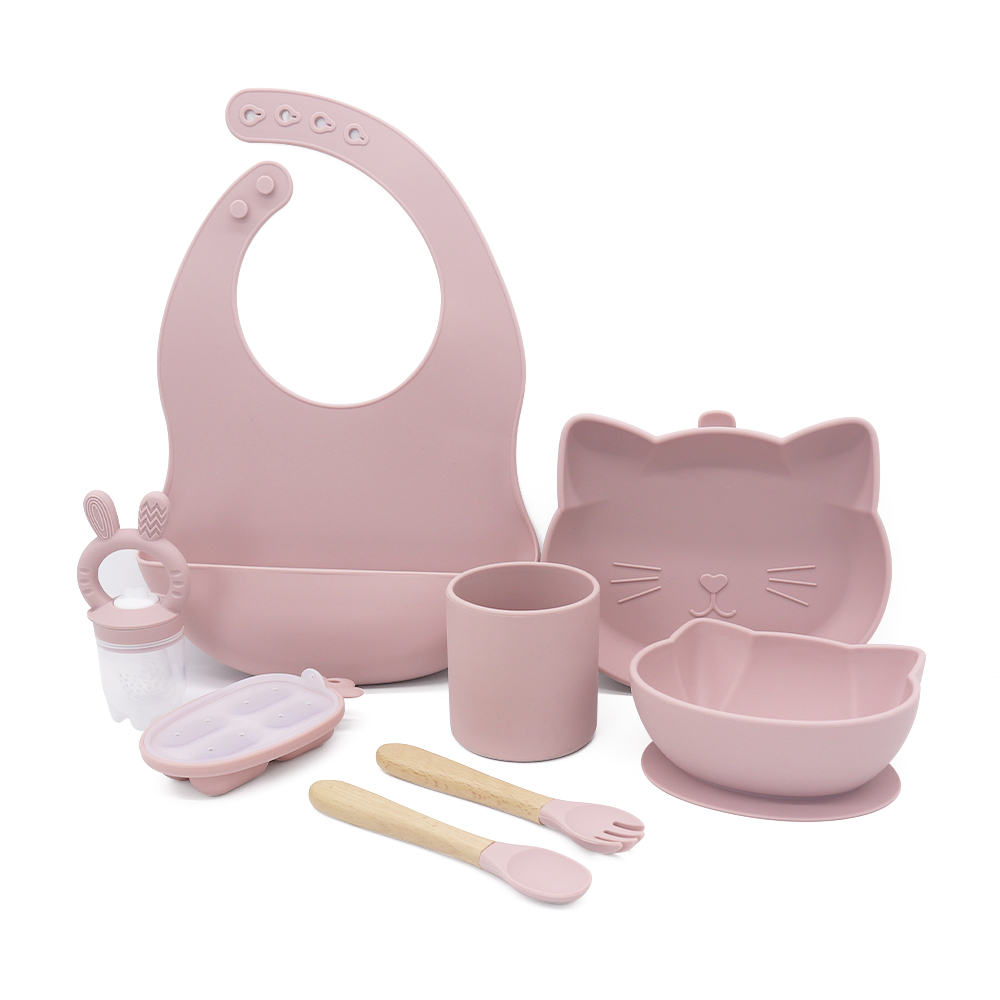
Cat Baby Silicone Feeding Set® Manufacturer
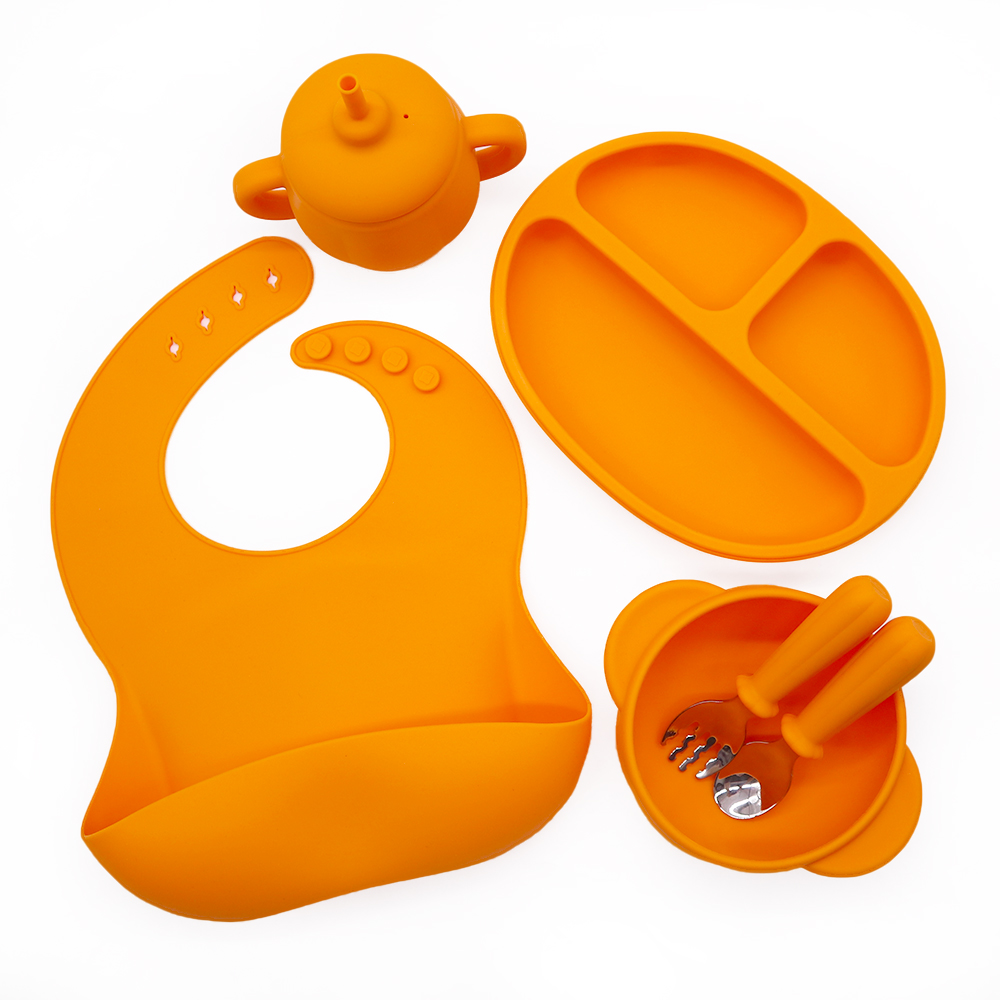
Pumpkin Baby Feeding Set ® Supplier
Christmas Pet Food Bowl® Wholesale