CONTACT
 US NOW
Pets are beloved members of many families, offering comfort, companionship, and joy. For babies, growing up around animals can bring tremendous emotional and developmental benefits. However, it’s equally important for parents to understand the potential risks pets may pose to babies and how to minimize them. Babies are naturally curious but vulnerable, and pets — no matter how gentle — can unintentionally cause harm if interactions aren’t managed properly.
This article explores the possible harms pets can cause to babies and provides practical prevention strategies to ensure safety while still nurturing the beautiful bond between pets and children.
While pets enrich family life, they can also bring challenges when babies are involved. Understanding these risks is the first step toward preventing them. From scratches to allergies and hygiene concerns, here are the most common issues parents should be aware of.
Physical Injuries and Scratches
Babies’ unpredictable movements — grabbing fur, pulling ears, or sudden shrieks — may startle pets. Even the most well-trained dog or gentle cat might scratch or nip as a reflex. Sharp claws, playful bites, or even a wagging tail can accidentally injure a baby. While these incidents are rarely intentional, they highlight the importance of supervision and teaching gentle touch early.
Allergies and Respiratory Issues
Pet dander (tiny flakes of skin and hair) is one of the most common household allergens. For babies with sensitive respiratory systems, this can trigger sneezing, coughing, or in some cases, asthma. Babies genetically predisposed to allergies may be more reactive. While some studies show that early exposure to pets can reduce allergy risks long-term, in the short term, parents need to monitor symptoms closely.
Hygiene and Infection Concerns
Pets often carry germs on their paws, fur, or saliva, especially if they go outdoors. These microbes can spread to floors, toys, or even baby hands that constantly explore their surroundings. Litter boxes, pet food bowls, and outdoor dirt pose additional risks. While most germs are harmless, babies’ developing immune systems make them more vulnerable to infections.
Behavioral Challenges in Pets
The arrival of a baby can be stressful for pets. Jealousy, anxiety, or confusion about new routines may lead to behavioral issues such as barking, growling, or acting out. In rare cases, pets may show aggression if they feel neglected or threatened. Even without aggression, a stressed pet’s unpredictable behavior could unintentionally harm a baby.
Fortunately, most risks can be avoided with thoughtful precautions. Parents who combine supervision, training, hygiene, and gradual introductions create a safe environment where both pets and babies thrive.
Supervision and Boundaries
The golden rule: never leave pets and babies unsupervised. Even a friendly pet should not be trusted alone with an infant. Using baby gates, playpens, or pet-free zones ensures that babies have safe spaces to play and crawl without unexpected contact. Boundaries help pets feel secure too, reducing stress when they need space.
Training and Socializing Pets
Well-trained pets are calmer and more predictable around babies. Teaching basic commands such as “sit,” “stay,” and “gentle” can prevent accidental harm. Socializing pets early — exposing them to children, noises, and baby-like activities — helps them adapt more easily. Positive reinforcement (treats, praise, affection) when pets behave calmly near babies reinforces good behavior.
Good Hygiene Practices
Healthy pets equal safer interactions. Regular grooming, flea and tick prevention, and up-to-date vaccinations are essential. Parents should also wash babies’ hands after playing with pets, sanitize toys that come into contact with pets, and keep pet feeding/litter areas separate. These simple routines greatly reduce the risk of infection.
Gradual Introductions to Babies
Pets need time to adjust to a new baby in the household. Before the baby arrives, parents can introduce baby-related sounds (crying, toys), scents (lotions, powder), and even set up the nursery so pets become familiar with the changes. Once the baby is home, allow pets to approach slowly and calmly while supervised. Reward pets for positive behavior so they associate the baby with good experiences.
While it’s important to prevent risks, parents should also focus on encouraging positive bonding moments between pets and babies. With the right precautions, these interactions can strengthen trust, provide comfort, and build empathy in children. The goal is not to separate them completely, but to help them grow together safely.
Sometimes, despite best efforts, families may face challenges that require outside support. Knowing when to seek professional guidance ensures safety and harmony for both pets and babies.
Veterinary Guidance
If a baby develops persistent allergy symptoms or if hygiene concerns arise, consult a veterinarian. Vets can recommend grooming routines, medical solutions, or allergy-friendly practices that keep both pets and babies comfortable.
Behavioral Specialists
If a pet shows ongoing signs of stress, jealousy, or aggression, a professional trainer or animal behaviorist can help. Early intervention ensures that pets adjust well to new family dynamics and that safety remains a priority.
Pets enrich family life, and their relationship with babies can be one of love, trust, and learning. However, it’s important to recognize that pets can unintentionally cause harm through scratches, allergens, germs, or stress-related behaviors. The good news is that with supervision, training, hygiene, and gradual introductions, most risks can be prevented.
By taking precautions, families can enjoy the many benefits pets bring — from emotional bonding to developmental growth — while keeping babies safe, healthy, and happy.
Q1: Can pets sleep in the same room as a baby?
It’s best to avoid this, especially with newborns. Pets may unintentionally disturb sleep or pose safety risks.
Q2: How do I know if my baby is allergic to pets?
Watch for symptoms like runny nose, red eyes, coughing, or rashes after contact. A pediatrician can confirm with tests.
Q3: What should I do if my pet scratches my baby?
Clean the wound immediately with mild soap and water. Monitor for signs of infection and consult a doctor if needed.
Q4: How do I stop my pet from being jealous of the baby?
Continue giving your pet attention, keep routines consistent, and reward calm behavior around the baby.
Q5: Are some pets safer for babies than others?
Yes. Calm, well-socialized dogs and cats are often good companions. Small animals (like fish or rabbits) may pose fewer risks but still require supervision.
 Most Read
Chick Hand Silicne Teether ® Bulk
4 in 1 Kids Bath Toy®OEM
Cat Baby Silicone Feeding Set® Manufacturer
Pumpkin Baby Feeding Set ® Supplier
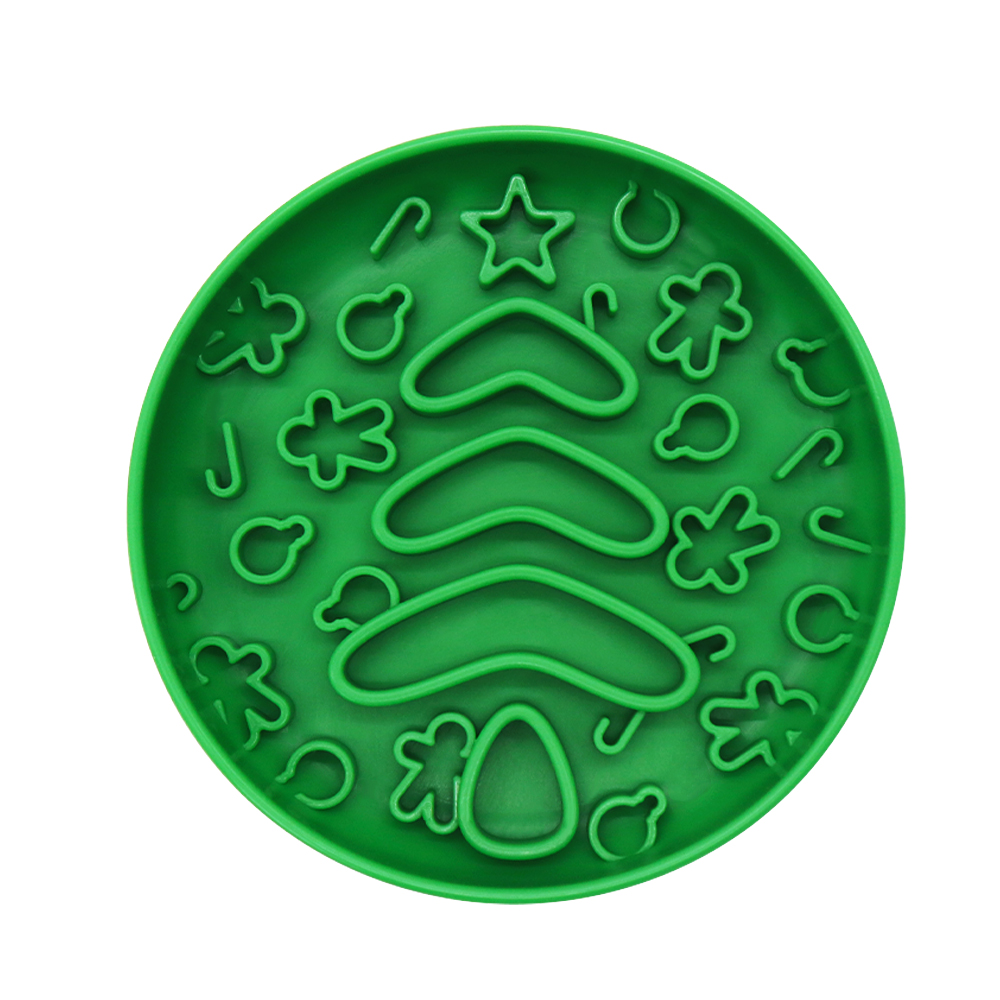
Christmas Pet Food Bowl® Wholesale