CONTACT
 US NOW
If you’ve ever watched your dog inhale a bowl of food in seconds or seen your cat gulp down kibble too quickly, you’re not alone. While it might seem harmless, many pets eat far faster than is healthy, which can lead to digestive problems, choking, and even obesity. Slow feeder bowls, often designed with ridges, mazes, or raised patterns, claim to solve this problem by making pets eat at a slower pace. But do they really work? Let’s dive into the benefits, and practical experiences behind these bowls.
Before understanding how slow feeders help, it’s important to know why fast eating is an issue for pets in the first place.
Health Risks for Dogs and Cats
When pets eat too quickly, they often swallow large chunks of food and even air, without chewing properly. This can lead to:
Example: Labrador Retrievers are notorious for fast eating, and many vets recommend slow feeders for them as a preventive measure.
Behavioral Causes of Fast Eating
Fast eating is not always about hunger. Some pets develop the habit due to:
Recognizing whether your pet’s fast eating is medical or behavioral helps in choosing the right solution.
So how do slow feeder bowls tackle these issues? The secret lies in their unique design.
Unique Design Features
Unlike traditional flat bowls, slow feeders include ridges, spirals, or puzzle-like shapes inside the bowl. These barriers force pets to work around them to access food, naturally slowing their eating pace. Designs range from simple raised patterns to intricate mazes that challenge pets to use their tongues or paws.
Different designs exist:
1. Spirals and swirls for gradual slowing.
2. Maze patterns for higher difficulty.
3. Shallow ridges and adjustable height designed specifically for cats.
Extending Mealtime
With a slow feeder, meals that used to last 30 seconds may stretch to 5–10 minutes. That extra time is crucial because it:
1. Allows pets to chew and digest better.
2. Gives their brain time to register fullness.
3. Reduces overeating and begging for extra food.
4. Turning mealtime into a mini puzzle game that’s both fun and healthy.
Do slow feeders actually make a difference? Research and experience from pet owners say yes.
Improved Digestion
By encouraging slower eating, slow feeder bowls reduce problems like vomiting, gas, and indigestion. Pets chew their food more thoroughly, making it easier to digest and absorb nutrients. Pets are less likely to suffer stomach cramps or discomfort after meals.
Better Weight Management
When pets eat slower, their bodies have time to recognize fullness. This helps prevent overeating, a common contributor to obesity in dogs and cats. For weight-control diets, slow feeders can be an effective tool.
Mental Stimulation
Slow feeders double as enrichment tools. They challenge pets to think, solve, and stay engaged while eating. For high-energy dogs or indoor cats, this added stimulation can reduce boredom and unwanted behaviors, like chewing furniture, barking, or meowing excessively.
Example: High-energy dogs like Border Collies or Huskies often benefit greatly, as mealtime becomes both nourishing and mentally engaging.
While slow feeders work for many pets, results can vary depending on the species and breed.
Dogs vs. Cats
Dogs tend to benefit most from slow feeders since they are more prone to fast eating. However, some cats also eat too quickly and may vomit after meals. Specially designed cat slow feeders — often shallower with smaller ridges — can help slow down feline mealtimes.
Breed Considerations
Not all slow feeders are created equal, and the right choice depends on your pet’s size, personality, and eating style. Picking the right material and design ensures that your pet benefits without becoming frustrated.
Size and Material Options
When it comes to materials, silicone slow feeder bowls are an excellent option. They’re soft, flexible, and gentle on your pet’s nose and teeth, making them especially suitable for puppies, kittens, or flat-faced breeds. Silicone bowls are also lightweight, non-slip (when placed on most surfaces), and easy to clean — many are dishwasher-safe, which is a big plus for busy pet parents.
Other options include:
For everyday use, silicone strikes a balance between safety, functionality, and design flexibility.
Difficulty Levels and Patterns
Slow feeders come in a wide variety of designs, ranging from simple patterns to complex mazes. Choosing the right level of challenge is key:
Think of it as matching a puzzle to your pet’s skill level. Too easy, and they’ll still eat quickly. Too hard, and they may give up or flip the bowl.
Seasonal and Themed Designs
For pet owners who love to celebrate holidays, there are also Christmas-themed silicone slow feeder bowls with festive patterns like snowflakes, Christmas trees, or stars. These not only add fun to mealtime but also fit beautifully into the holiday mood, making feeding time feel extra special. Themed bowls can also make thoughtful gifts for fellow pet parents.
Transitioning to a slow feeder takes patience. Here’s how to make it smoother:
Most pets adapt within a week or two if the introduction is done calmly.
So, do slow food bowls really work for pets? The answer is yes — when you choose the right design and introduce it properly, they can make a huge difference to your pet’s health and happiness. By slowing down eating, these bowls reduce risks of choking, bloating, and indigestion, while also helping with weight control and providing mental stimulation.
Among the many materials available, silicone slow feeder bowls stand out as the most versatile and pet-friendly option. They’re soft and gentle on pets’ noses, safe for puppies and kittens, durable enough for daily use, and easy to clean. Silicone designs also offer a wide range of patterns — from simple ridges for beginners to complex mazes for determined eaters — so you can match the challenge to your pet’s needs. For a touch of fun, you’ll even find Christmas-themed bowls that make feeding time festive and joyful.
In short, slow feeder bowls really do work — and with the right silicone design, they can turn every mealtime into a healthier, safer, and more enjoyable experience for your furry friend.
 Most Read
Chick Hand Silicne Teether ® Bulk
4 in 1 Kids Bath Toy®OEM
Cat Baby Silicone Feeding Set® Manufacturer
Pumpkin Baby Feeding Set ® Supplier
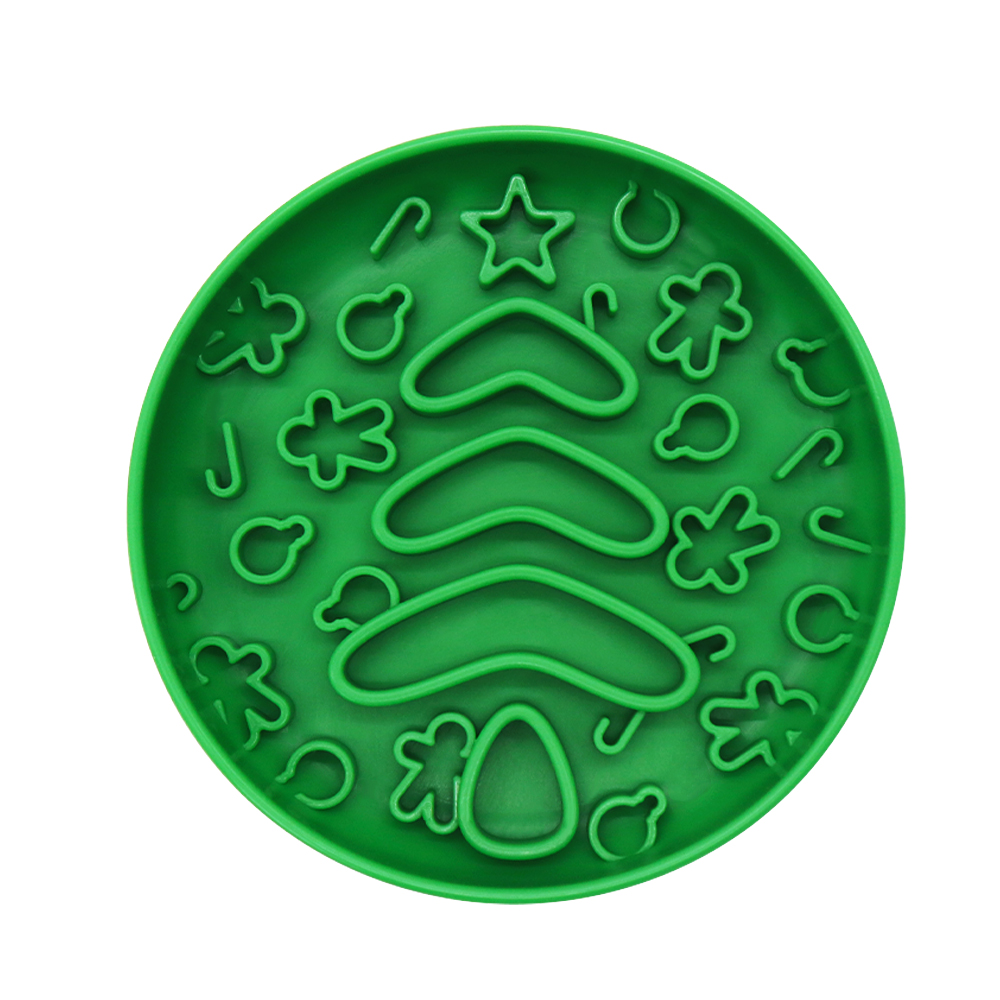
Christmas Pet Food Bowl® Wholesale