CONTACT
 US NOW
Every smile tells a story — and for babies, the arrival of their first tooth marks an exciting new chapter in growth. But before that adorable toothy grin appears, many parents face weeks (or months!) of drooling, fussiness, and sleepless nights.
So, when exactly do babies start teething? What are the signs, and how can you help soothe their sore gums? Let’s explore everything you need to know to make this milestone a little easier for both you and your little one.
Most babies begin teething around 6 months of age, but it can happen anywhere between 4 and 10 months — and both are completely normal.
Some babies are born with teeth (called natal teeth), while others don’t sprout their first one until after their first birthday. Genetics plays a big role here — if you or your partner teethed early or late, your baby might follow suit.
| Age | Common Teeth Appearing |
| 4–7 months | Bottom front teeth (lower central incisors) |
| 8–12 months | Top front teeth (upper central incisors) |
| 9–16 months | Side teeth (lateral incisors) |
| 13–19 months | First molars |
| 16–23 months | Canines |
| 23–33 months | Second molars |
By around age 3, most toddlers will have their full set of 20 primary teeth.
Every baby is different — some breeze through teething quietly, while others let everyone know they’re uncomfortable! Watch for these common signs:
A slight increase in temperature can occur, but teething does not cause high fever, diarrhea, or severe illness. If your baby seems very unwell, contact your pediatrician.
Teething can be tough — but there are safe, effective ways to help relieve your baby’s discomfort.
1. Offer a Teething Toy
Babies love to bite because it helps ease gum pressure. Choose silicone teethers that are:
TIP: Chill the teether (but don’t freeze it) for extra soothing relief.
2. Massage the Gums
Wash your hands and gently rub your baby’s gums with a clean finger or a soft silicone finger toothbrush.
The light pressure can help ease irritation and stimulate eruption.
3. Try a Cool Washcloth
Dampen a clean cloth, place it in the fridge for a few minutes, and let your baby chew on it. It’s simple, safe, and provides soothing cold relief.
4. Keep Drool Under Control
All that drooling can irritate your baby’s chin and neck. Gently pat dry and use soft, absorbent silicone bibs or cotton bibs to keep them comfortable and dry.
5. Offer Extra Comfort
Sometimes all your baby needs is a cuddle. Hold, rock, or sing to them — physical closeness can do wonders to calm discomfort and reduce fussiness.
6. Choose Teething-Friendly Snacks (for Older Babies)
If your baby has started solids, offer chilled fruit in a silicone feeder, or soft teething biscuits. Avoid hard foods or choking hazards like raw carrots or nuts.
There’s plenty of advice (and myths!) passed down from well-meaning friends and relatives. Let’s clear up a few:
❌ Myth 1: Teething causes high fever and diarrhea.
No — while mild temperature changes can happen, a true fever or diarrhea usually points to infection, not teething. Always check with your doctor if your baby seems sick.
❌ Myth 2: You should use teething gels or numbing creams.
Avoid these unless prescribed. Many over-the-counter gels contain ingredients that can harm infants (like benzocaine or lidocaine).
❌ Myth 3: Amber teething necklaces work.
There’s no scientific proof that amber beads reduce pain, and they pose serious choking and strangulation risks. Stick with safe, chewable teething toys instead.
Once teeth appear, it’s time to start dental care!
1. Start Cleaning Early
Use a soft, damp cloth or a silicone baby toothbrush to gently clean teeth twice a day — especially before bedtime.
2. Avoid Putting Baby to Bed with a Bottle
This can cause “baby bottle tooth decay,” as milk sugars sit on the teeth overnight.
3. Visit a Pediatric Dentist
Schedule your baby’s first dental visit by age 1 or within 6 months of their first tooth. Early visits build healthy habits and prevent cavities.
Beyond discomfort, teething is actually a sign of progress! It signals:
Encouraging your baby to chew safely — using teething toys, soft spoons, or silicone feeders — also helps strengthen jaw muscles for future eating and talking.
When choosing teething accessories, look for materials that are:
Silicone-based products are popular because they’re hygienic, gentle on gums, and come in baby-friendly designs.
Teething is one of those baby milestones that’s both exciting and exhausting — for parents and little ones alike. While every child’s timeline is different, a combination of comfort, patience, and safe soothing tools can make the process smoother.
Remember: those first teeth aren’t just for smiles — they’re the foundation for healthy eating, speech, and confidence. So when your baby flashes that first tiny tooth, take a photo. You’ve both earned it.
 Most Read
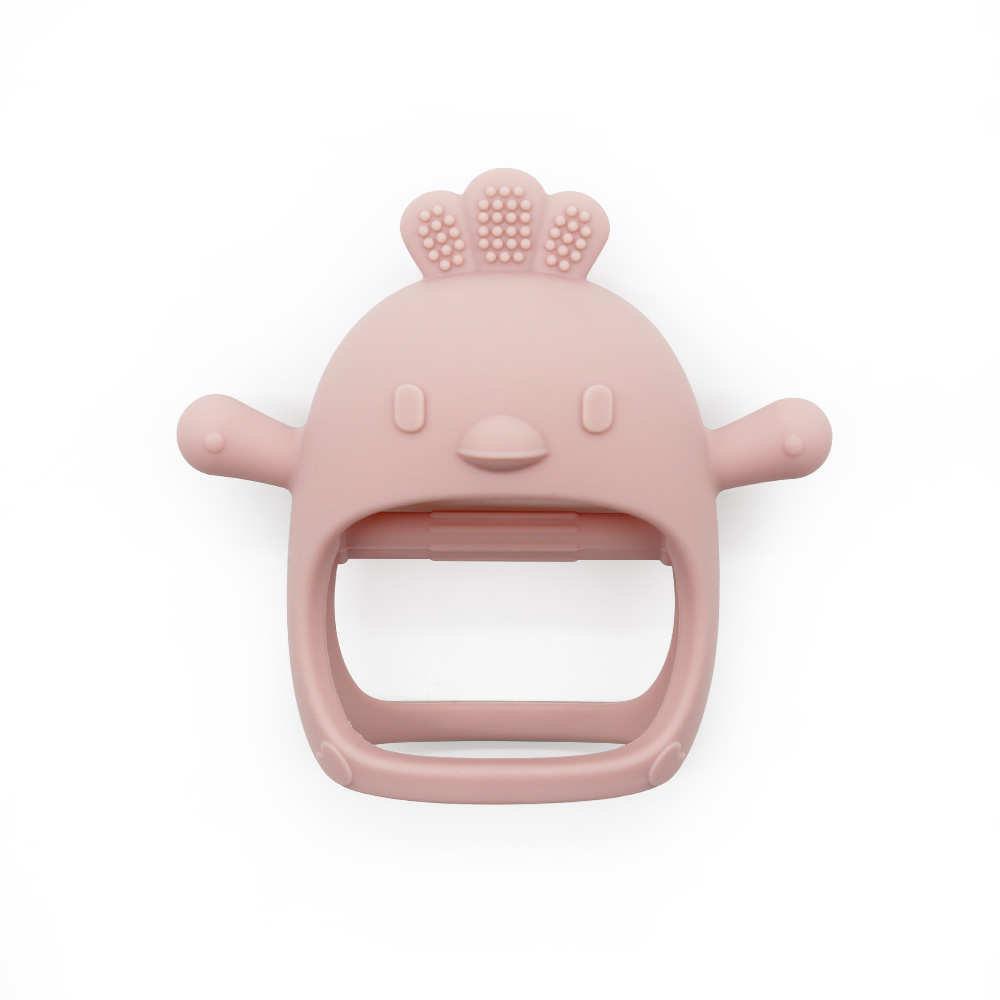
Chick Hand Silicne Teether ® Bulk
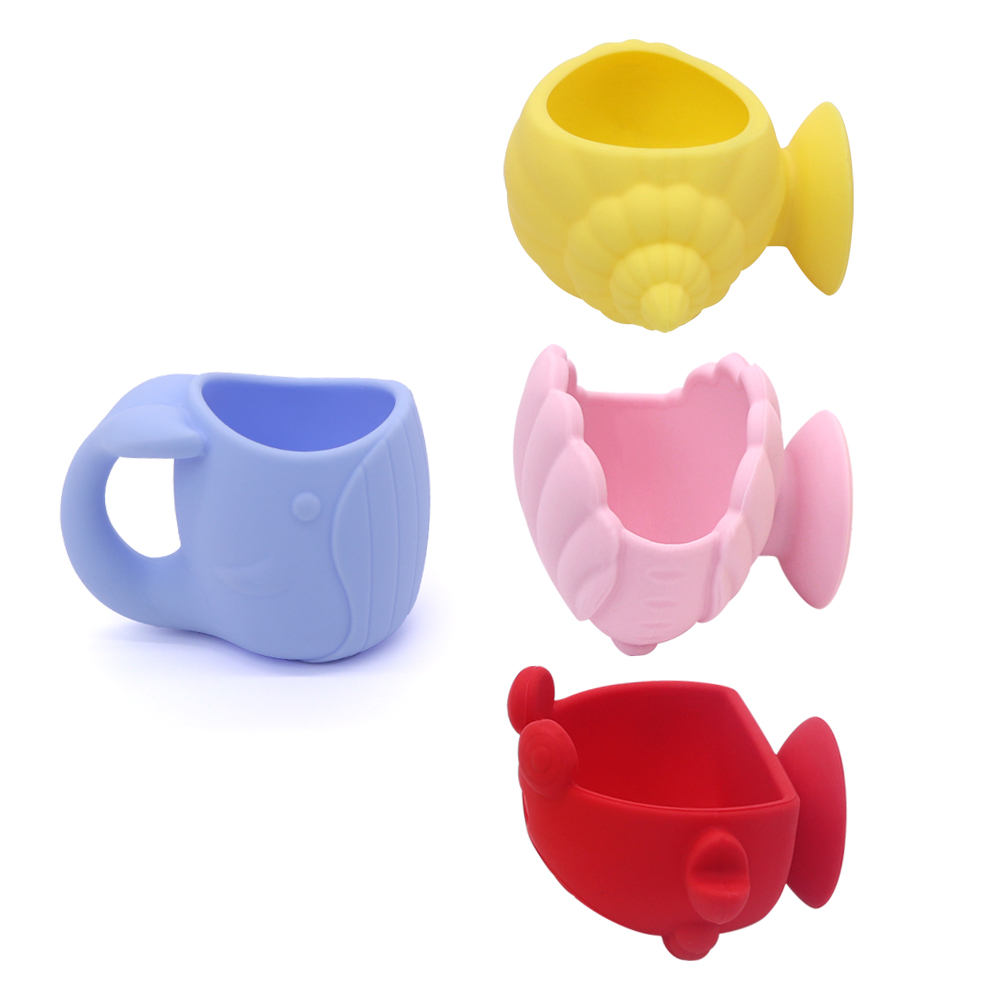
4 in 1 Kids Bath Toy®OEM
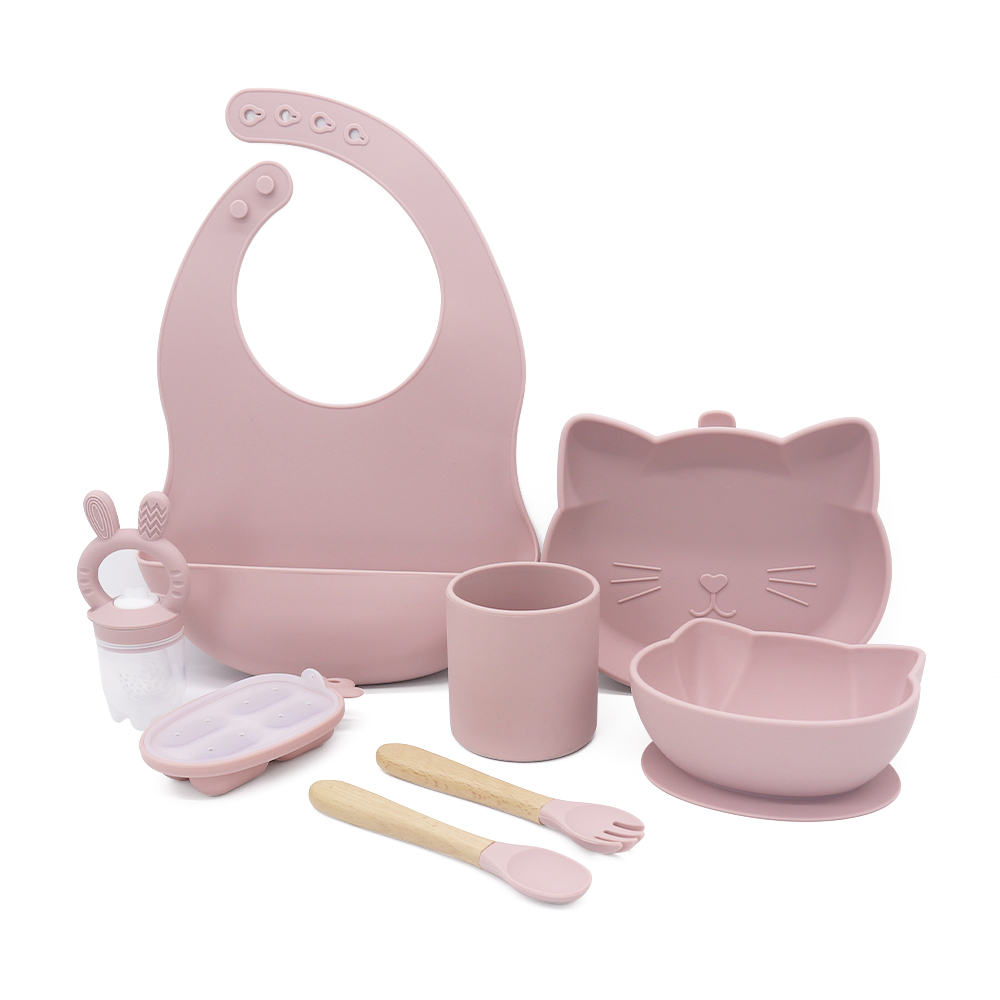
Cat Baby Silicone Feeding Set® Manufacturer
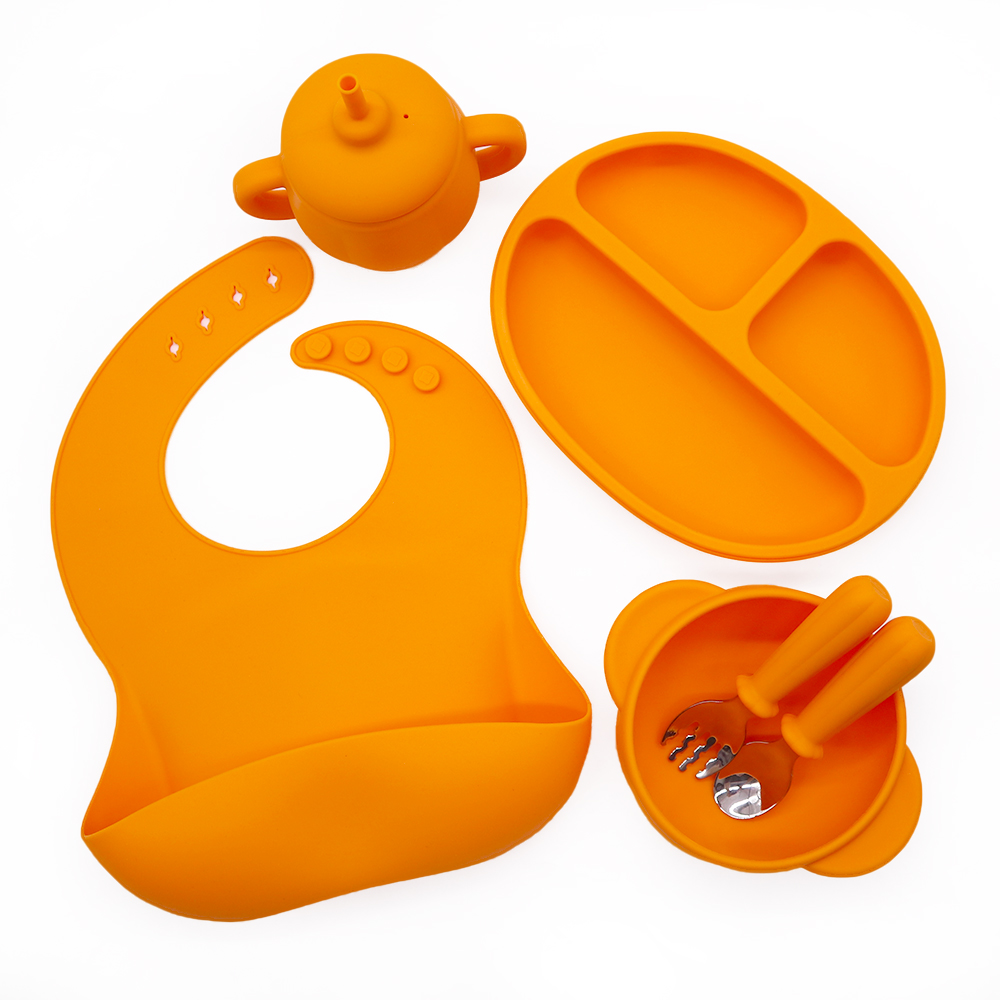
Pumpkin Baby Feeding Set ® Supplier
Christmas Pet Food Bowl® Wholesale