customer service iconv customer service iconv CONTACT
US NOW

Silicone Baby Rattles for Teething: Do They Really Help?


Teething is one of the most challenging phases for both babies and parents. Your baby may be drooling more, chewing on everything in sight, becoming fussier, and waking more often at night. Naturally, parents look for safe, effective tools to soothe gum discomfort — and silicone baby rattles have quickly become one of the most popular options on the market.

But do silicone rattles really help with teething, or are they just another cute baby accessory? Below is a comprehensive, well-researched breakdown to help you understand the benefits, limitations, and how to choose the right one.


What Exactly Are Silicone Baby Rattles?

Silicone baby rattles combine two functions:

  • A soothing teether made from food-grade silicone.
  • A sensory rattle toy that stimulates hearing and motor development

They’re typically made from soft, flexible silicone—sometimes mixed with wooden elements or small, safely enclosed beads for gentle sound effects. Parents love them for being easy to hold, safe to chew, and helpful during the early stages of sensory learning.


Do Silicone Baby Rattles Help With Teething?

Short answer: yes, but with the right design and expectations.

How Silicone Helps Soothe Sore Gums

Silicone is one of the safest materials for teething because it’s:

  • Soft and flexible — gentle on swollen gums
  • Durable — resists tearing and biting
  • Non-porous — doesn’t harbor bacteria
  • Heat-resistant — easily boiled or steam-sterilized

The pressure of chewing on silicone can temporarily relieve teething pain because:

  1. Chewing Stimulates Gum Circulation: Applying pressure increases blood flow to the gum tissue, which may reduce discomfort and accelerate tooth eruption.
  2. Counter-Pressure Helps Numb Sore Areas: Like how adults press their tongue against a toothache, counter-pressure can distract the baby from pain and provide soothing relief.
  3. Silicone Can Be Cooled for Extra Comfort: Not frozen (too hard), but chilled silicone provides gentle cooling that reduces inflammation.


Why Add a Rattle to a Teether?

Silicone rattles aren’t just for chewing — the sound and movement contribute to developmental benefits.

1. Encourages Sensory Exploration

Rattles support:

  • Auditory development — babies learn cause and effect
  • Tactile development — different textures stimulate sensory learning
  • Visual tracking — babies follow the movement

2. Promotes Fine Motor Skills

The rattle shape encourages:

  • Grasping
  • Hand-to-hand transfer
  • Finger strengthening

These are foundational skills for later milestones like self-feeding.

3. Increases Baby’s Engagement and Reduces Fussiness

A teether alone only soothes the gums. A rattle-teether:

  • Keeps baby distracted
  • Prolongs independent play
  • Reduces frustration during teething phases


Are Silicone Baby Rattles Safe?

Generally, yes, when they meet proper safety standards.

Safety Considerations to Look For

1. 100% Food-Grade Silicone

Should be free from: BPA, PVC, Phthalates, Lead and heavy metals

2. One-Piece or Securely Molded Designs

To prevent choking hazards:

  • Avoid rattles with detachable small parts
  • Avoid glued or weakly attached beads

3. Size Matters

The teething and rattle parts should never fit fully into the baby’s mouth.

4. Certification & Testing

Look for: EN71, ASTM F963, LFGB, FDA-grade silicone

5. Easy to Clean

Safe products should allow: boiling, steam sterilizing and dishwasher use. Silicone’s non-porous nature makes it hygienic and long-lasting.


Benefits of Using Silicone Baby Rattles for Teething

  1. They Combine Play and Pain Relief: Instead of switching between toys and teethers, babies get both functions in one product.
  2. Improved Engagement Means Longer Usage: Babies stay interested longer because of the sound and movement.
  3. Good for On-the-Go Use: Lightweight and easy to carry.
  4. Eco- and Parent-Friendly Material: Silicone is durable and resistant to: Heat, Moisture, Odors, Wear. Unlike plastic, it doesn’t crack or flake over time.
  5. Good for Early Learning: The rattling sound encourages early cognitive development.


Potential Drawbacks (and How to Avoid Them)

Silicone baby rattles are generally safe, but parents should be aware of a few limitations.

1. Some Rattles Are Too Heavy

Silicone can be denser than plastic. Choose a lightweight design suitable for babies 3–6 months.

2. If Poorly Designed, Parts May Loosen

Low-quality rattles may contain: detached beads, loose rings or weak seams. Always choose products from reputable manufacturers with clear compliance testing.

3. Babies May Prefer Harder Surfaces

Every baby is different. Some prefer: Wood, Firm edges or Cold items. Silicone is great for soothing, but variety is key.

4. Over-stimulation Possible in Very Young Babies

Rattles with strong sounds may overwhelm newborns. Gentle sound is ideal.


How to Choose the Best Silicone Baby Rattle

  • Look for Multi-Texture Surfaces: Different textures help stimulate gums and keep babies curious.
  • Choose Soft, Round Shapes: Avoid sharp edges or rigid designs.
  • Ensure the Rattle Is Fully Sealed: No open holes where saliva, water, or mold can accumulate.
  • Consider Grip Size: Thin, rounded handles are easier for little hands to hold.
  • Opt for Muted, Baby-Friendly Sounds: Soft rattling is soothing without overwhelming.


How to Use Silicone Baby Rattles Safely

  • Always Supervise Teething Babies: Even safe items should be used under observation.
  • Clean Daily: Especially during heavy drooling phases.
  • Replace at the First Sign of Damage: If silicone shows: tearing, cracks, loose beads, discoloration. Replace the toy immediately.
  • Chill — Don’t Freeze: Frozen silicone becomes too hard and can hurt gums.


Are Silicone Baby Rattles Better Than Other Teethers?

Not necessarily “better,” but they have unique advantages.

  • Compared to Plastic Teethers: Softer, Cleaner and More natural feel
  • Compared to Wooden Teethers: More flexible, Easier to sterilize and Better for very sore gums
  • Compared to Gel/Water-Filled Teethers: No risk of leakage, Longer-lasting and Better safety profile

The combination of sensory stimulation + gum relief makes silicone rattles an excellent all-around option.


Do Pediatricians Recommend Silicone Teethers?

Yes — pediatricians generally approve silicone as one of the safest teething materials.

Many recommend silicone because:

  • It withstands high-temperature sterilization
  • It doesn’t break down easily
  • It’s gentle for early teeth and gums
  • It’s hypoallergenic

In combination with a rattle feature, it encourages both oral soothing and developmental play.


When Should Babies Use Silicone Rattle Teethers?

Most babies begin reaching and chewing around:

  • 3 months: Early mouthing exploration
  • 4–6 months: Heavy drooling and gum pressure
  • 6–9 months: Stronger chewing & fine motor growth

Silicone rattles can be used from birth, but most babies benefit most between 3–12 months.


Conclusion

Do Silicone Baby Rattles Really Help with Teething? Yes — when safely designed and properly used.

Silicone baby rattles provide:

  • Soothing gum relief
  • Safe chewing texture
  • Sensory and motor skill development
  • Engaging play to distract from teething discomfort

And unlike traditional rattles or simple teethers, silicone rattle-teethers offer both comfort and cognitive stimulation in one product. For parents looking for a durable, hygienic, baby-friendly teething tool, silicone baby rattles are absolutely worth considering.

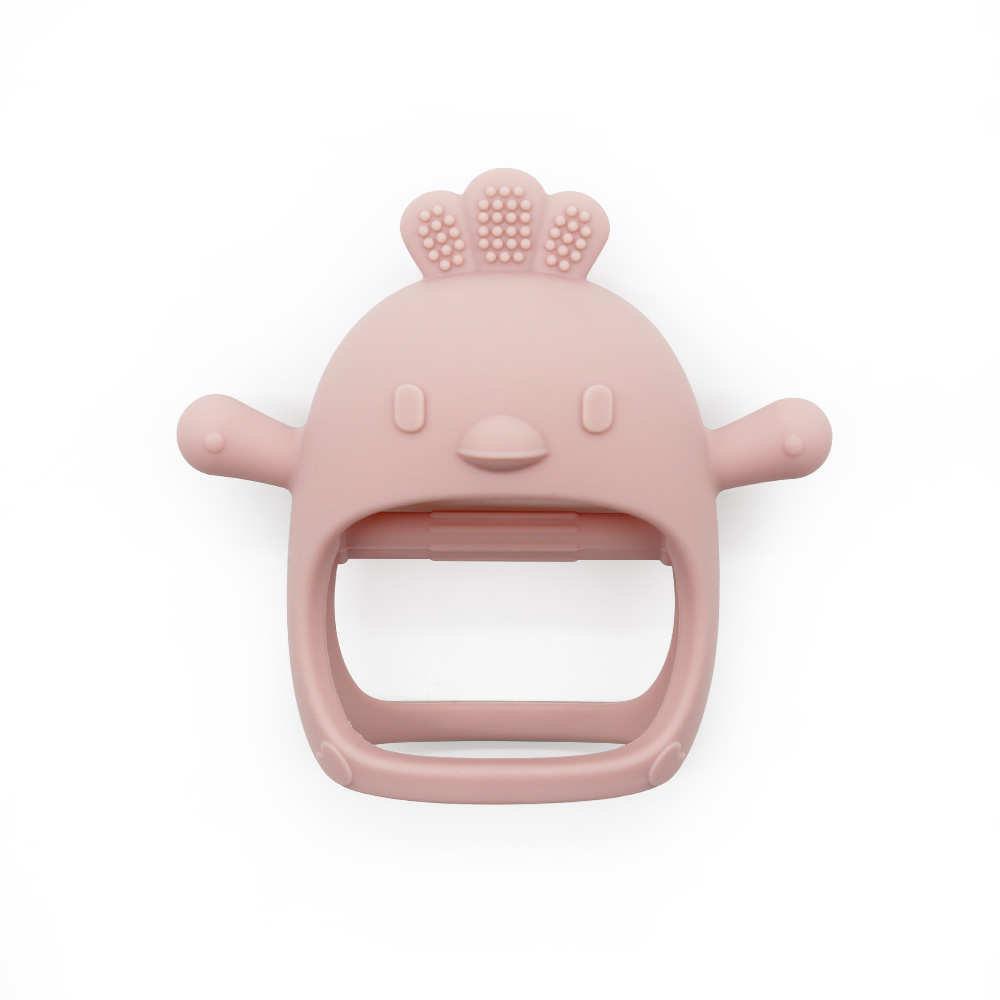
Chick Hand Silicone Teether

Chick Hand Silicne Teether ® Bulk

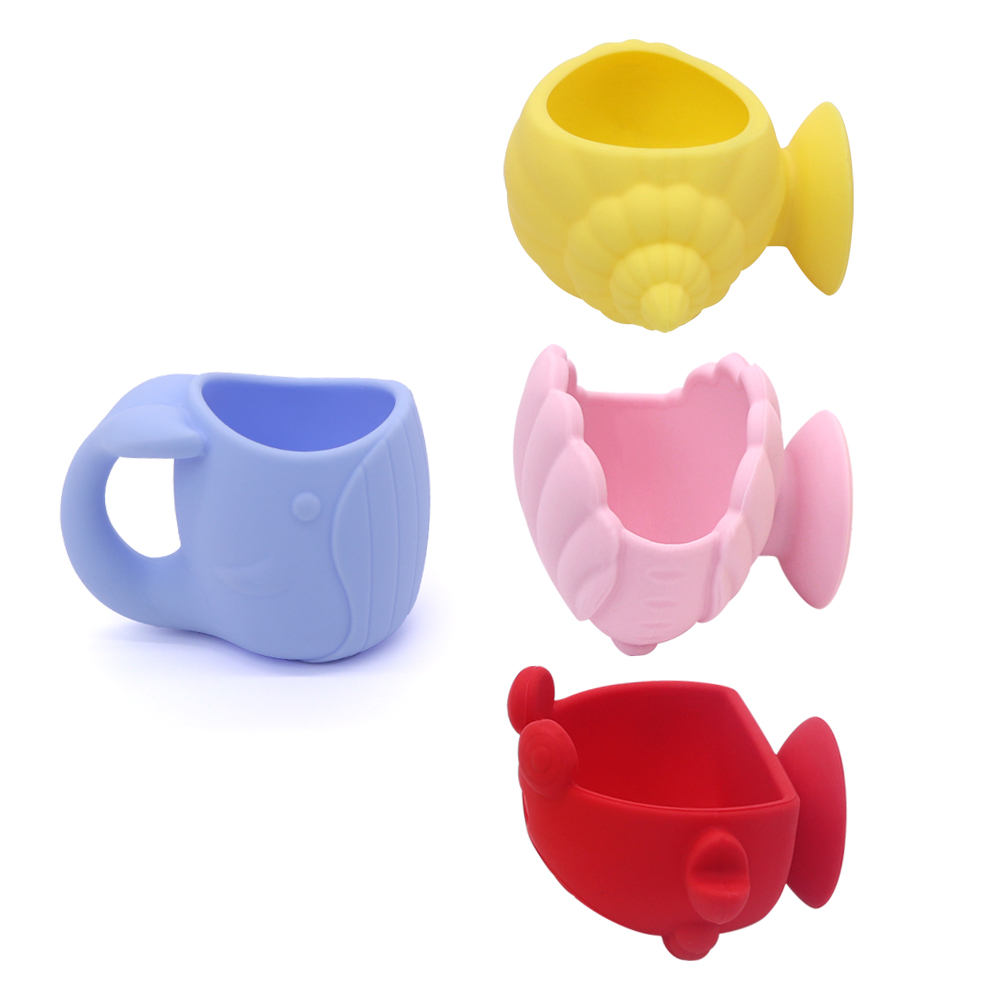
4 in 1 Kids Bath Toy

4 in 1 Kids Bath Toy®OEM

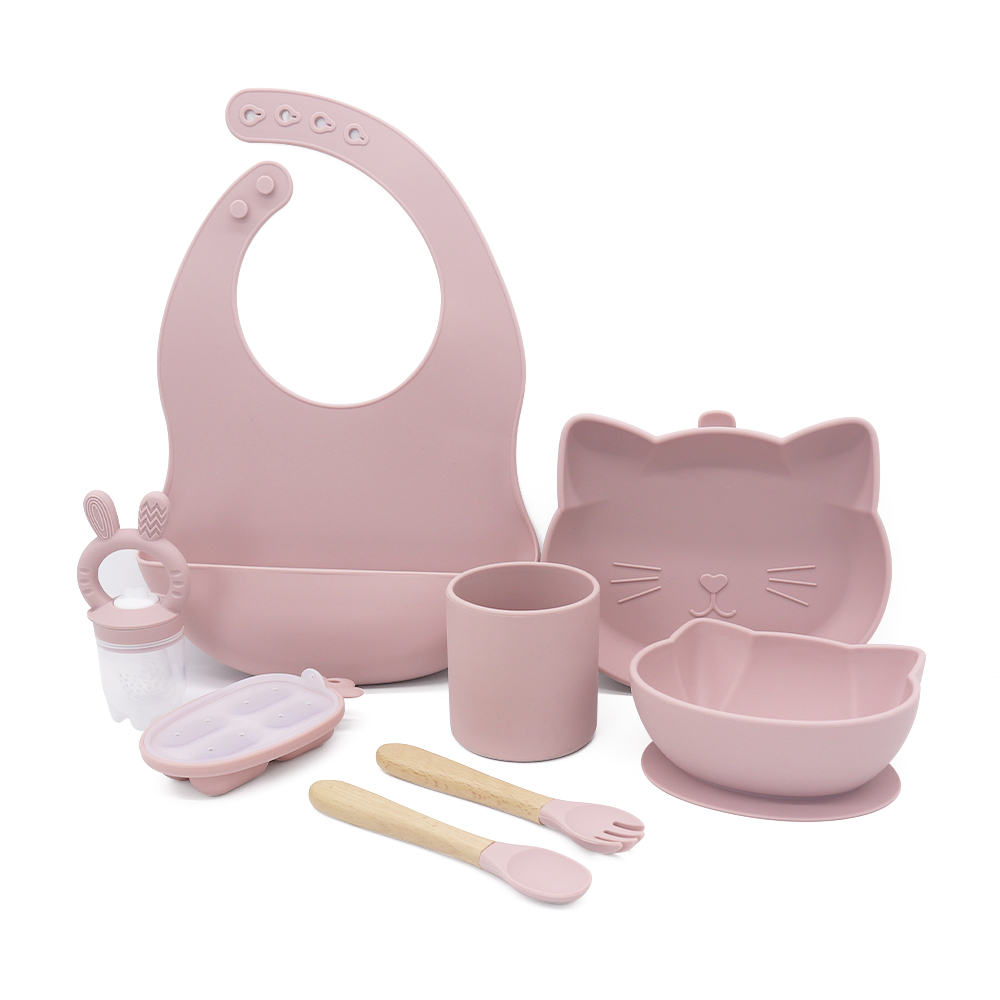
Cat Baby Silicone Feeding Set Design

Cat Baby Silicone Feeding Set® Manufacturer
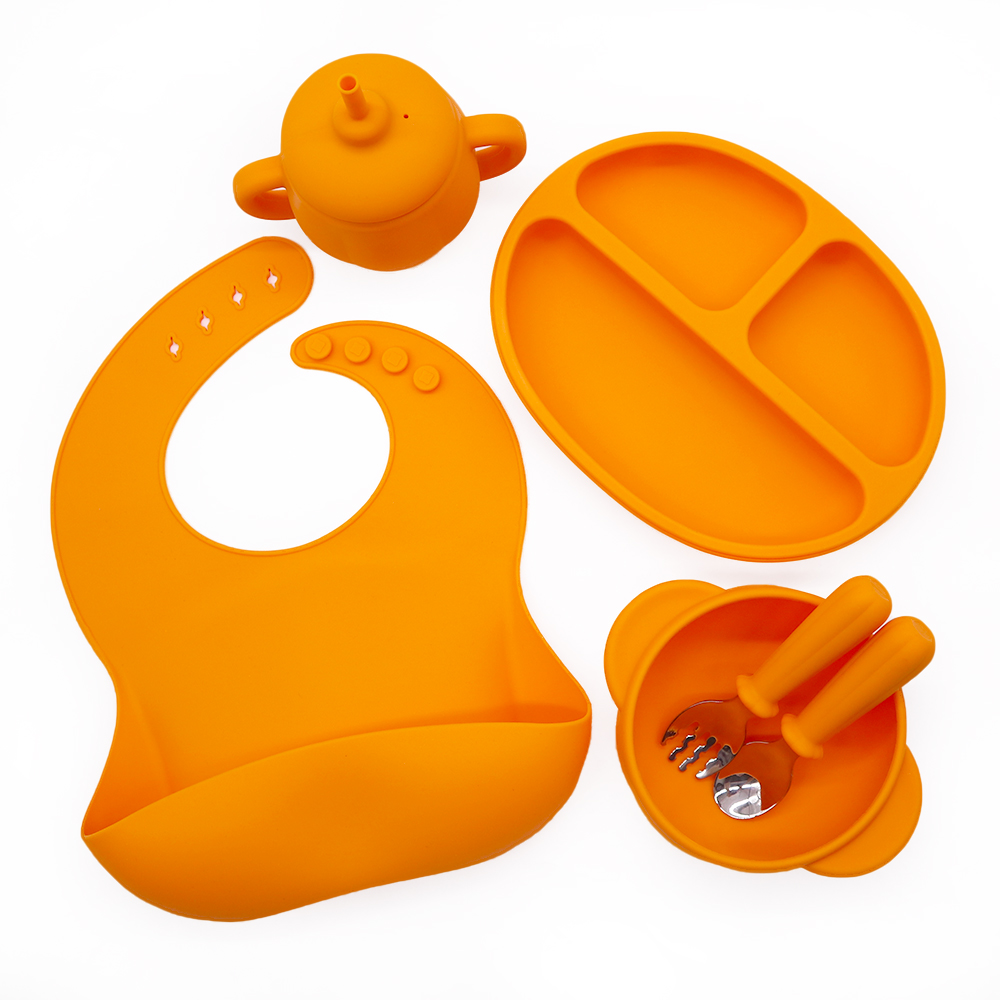
Pumpkin Baby Feeding Set Design

Pumpkin Baby Feeding Set ® Supplier

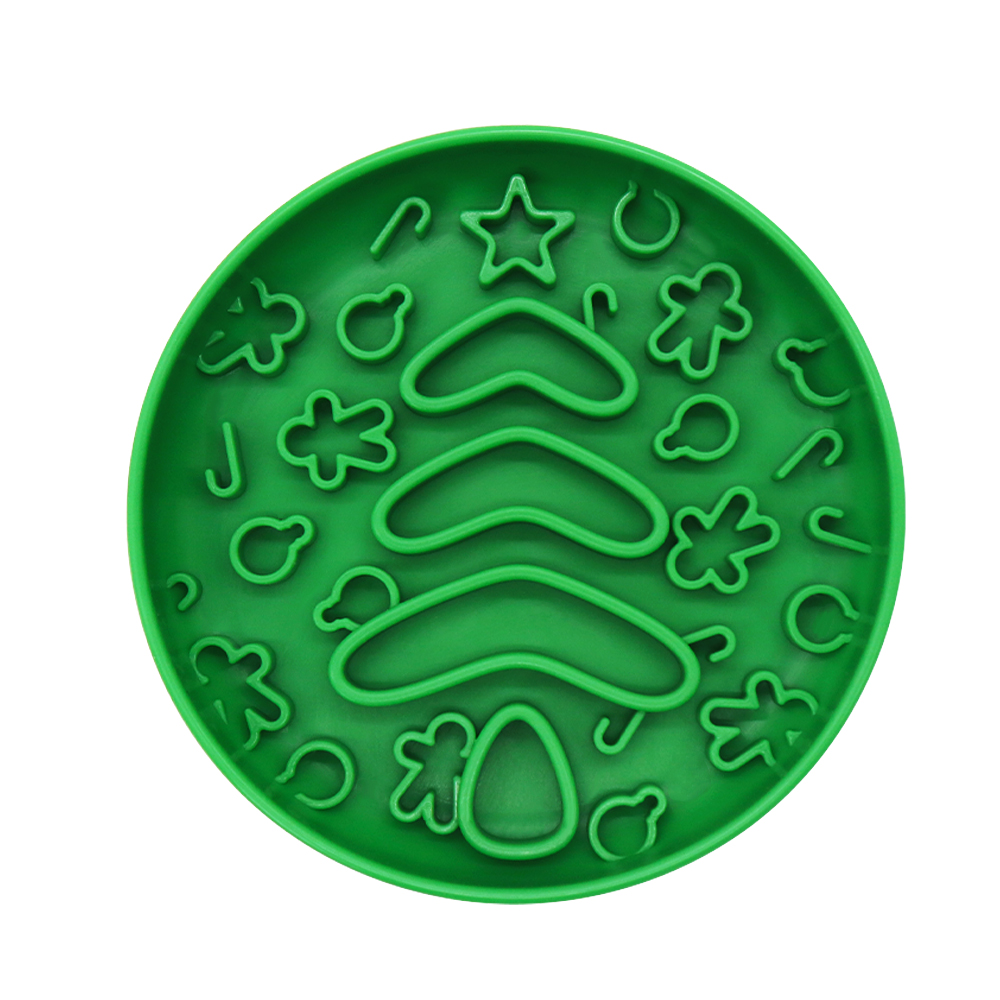
Christmas Pet Food Bowl Design

Christmas Pet Food Bowl® Wholesale