CONTACT
 US NOW
Watching baby's first teeth erupt is a thrilling moment in their growth. While this joy is rewarded, caring for these "little pearls" can be a challenge for many parents. Many parents find that their babies' resistance to brushing is as strong as taking medication or getting an injection.
In fact, getting your baby to accept and get used to brushing isn't difficult; it just requires a little skill and patience. This article will provide a comprehensive tooth brushing guide, starting with the first tooth, to make brushing a sweet moment for parents and children, not a daily battle.
Many parents believe they should wait until all their baby's teeth have grown before starting to brush, but this is a common misconception. Oral care should begin at birth:
Choosing the right tools
Choosing the right brushing tools is crucial:
Toothbrush: Choose a children's toothbrush with a small head and soft bristles. For babies under 3 years old, we recommend using an extra-soft toothbrush. You can also let your child choose a toothbrush with a favorite cartoon pattern to improve their acceptance.
Toothpaste: For their first toothpaste, choose a gel-based and fluoride baby toothpaste. Its soft texture allows for deeper cleaning between teeth. Fluoride toothpaste effectively prevents cavities.
Toothpaste Amount: Use a grain-of-rice-sized amount for children under 3 years old; a pea-sized amount for children 3-6 years old.
Many parents choose non-fluoride toothpaste, because they think babies can't rinse their mouths yet and are worried about swallowing toothpaste. This is common and understandable. However, because toothpaste usage is strictly controlled for babies under three years old, the amount of toothpaste used is minimal. Even swallowing a small amount of it won't affect the baby's health, so parents don't need to worry too much.
Brushing Position
Putting your baby in a safe and comfortable position is key to successful tooth brushing:
Have your baby lie on your lap with their head tilted back slightly.
You can also choose to sit in a safe, well-lit area such as a sofa, rug, or bed.
This position is convenient for you and helps your baby feel secure.
Brushing Technique
Babies' resistance to tooth brushing isn't intentional non-cooperation; there are several reasons:
After addressing the reasons for resistance, let's look at practical solutions:
1. Parents Lead by Example: Let children see how parents enjoy brushing their teeth, and they'll naturally imitate them. Children can also help parents check their teeth to increase their sense of participation.
2. Game-Based Tooth brushing:
Use tooth brushing picture books (such as "The Tooth worm Family Moves") to help children understand the importance of brushing.
Let your child brush their toy doll's teeth to foster a sense of belonging.
3. Choose appropriate tools and flavors: Let your child choose their favorite cartoon toothbrush and fruit-flavored toothpaste to encourage initiative. For younger children, a fingertip toothbrush can protect the parent's fingers from being bitten.
4. Establish a sense of ritual: Make tooth brushing a regular bedtime ritual, performed at a fixed time each day, so your child knows that brushing is a daily necessity, just like eating.
5. Music and timers: Play fun brushing songs or use a two-minute hourglass to help your child maintain a sense of time and add to the fun.
Q1: Do decayed baby teeth need treatment? Will they eventually replace them?
A: This is a common misconception. The health of baby teeth directly impacts the development of permanent teeth. Severe decay in baby teeth can affect the development and calcification of future permanent teeth and even alter the position of the tooth germ.
Q2: When can a child brush their own teeth?
A: Children generally master brushing techniques around age 8. Before this, parental assistance and supervision are necessary. You can adopt the "child brushes first, then the parent brushes" model.
Q3: Is flossing necessary?
A: Yes. Once a child has a large number of primary teeth, it's best to floss at least once a day. Flossing removes food particles and plaque from between teeth, areas that a toothbrush can't reach.
Q4: Is an electric toothbrush or a manual toothbrush better?
A: For infants and young children, a small, soft-bristled manual toothbrush is generally more suitable. Studies by Stomatological Association have shown that a properly used manual toothbrush can achieve a cleaning efficiency of up to 85%.
Getting your baby to accept brushing requires patience and skill, but the investment is worth it. Healthy primary teeth are not only important for a baby's chewing function and facial development, but also for the health of their permanent teeth and their self-confidence.
Try to start with these methods and techniques to help your child develop good oral hygiene habits and a bright smile that will last a lifetime.
 Most Read
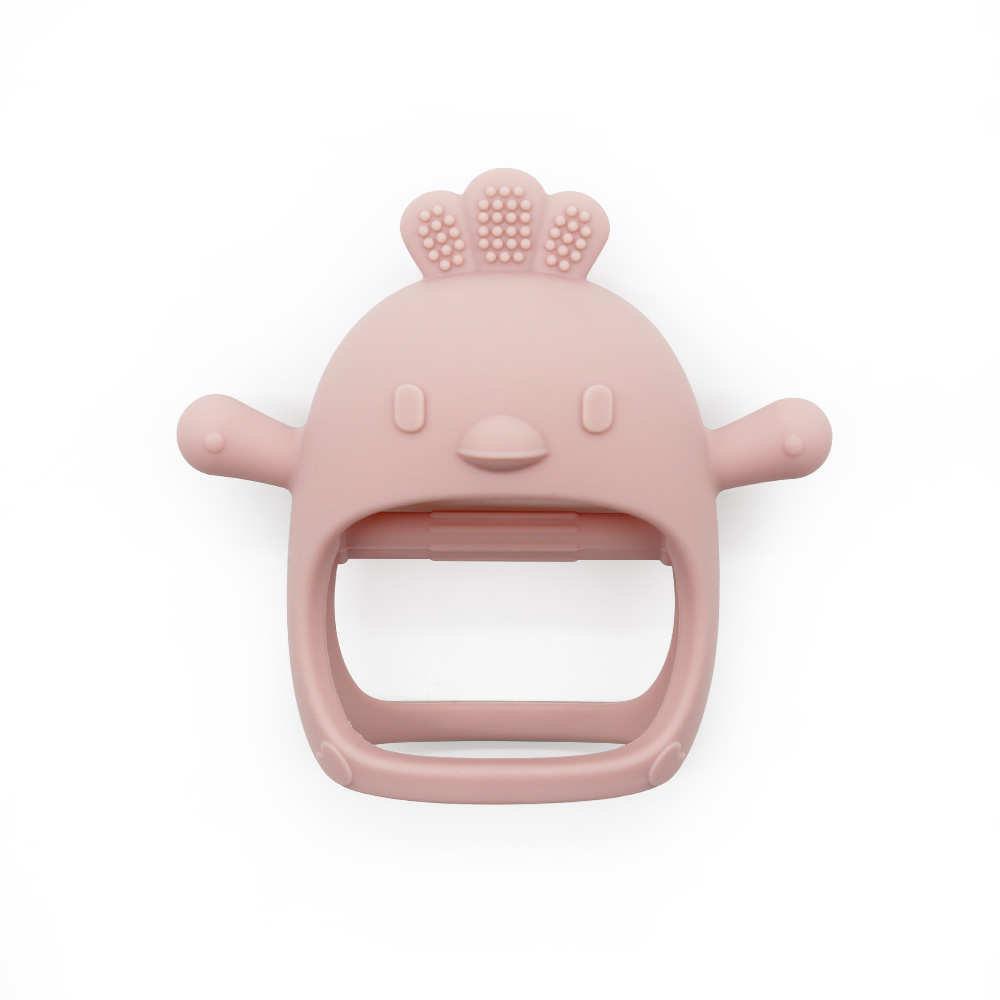
Chick Hand Silicne Teether ® Bulk
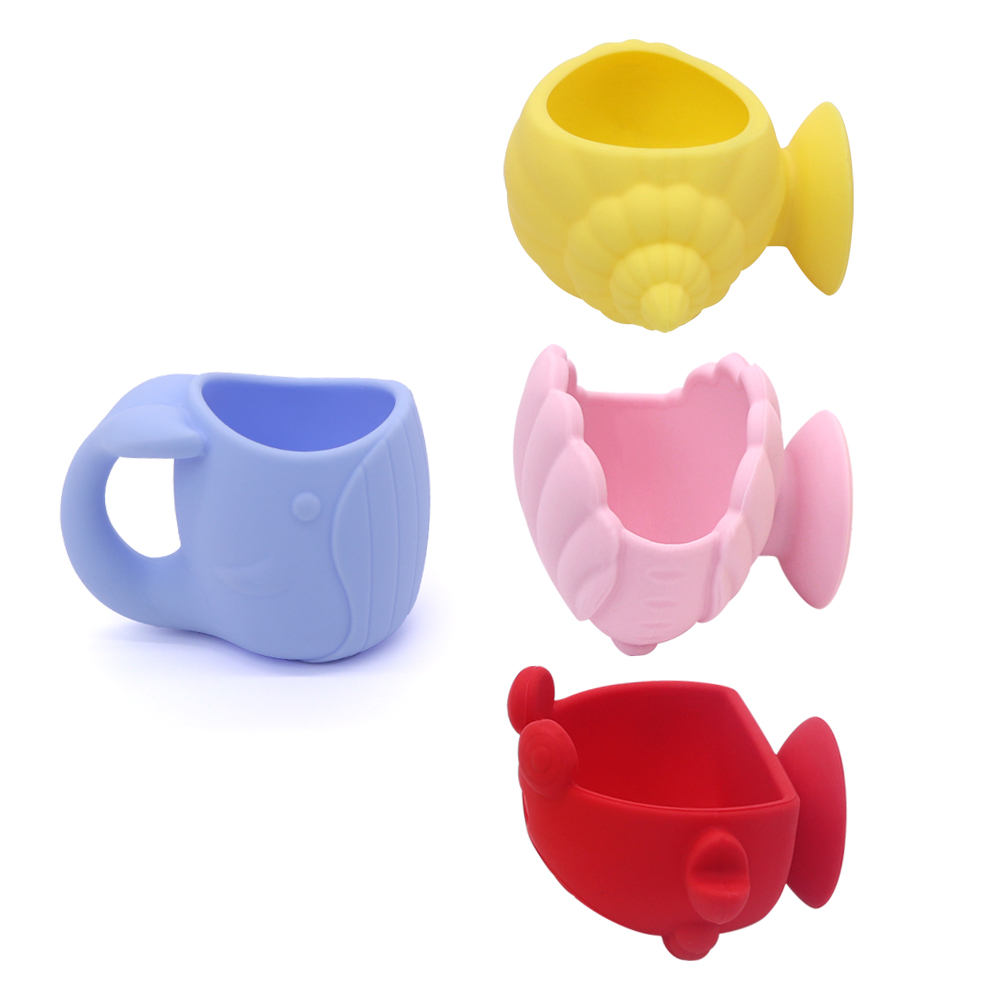
4 in 1 Kids Bath Toy®OEM
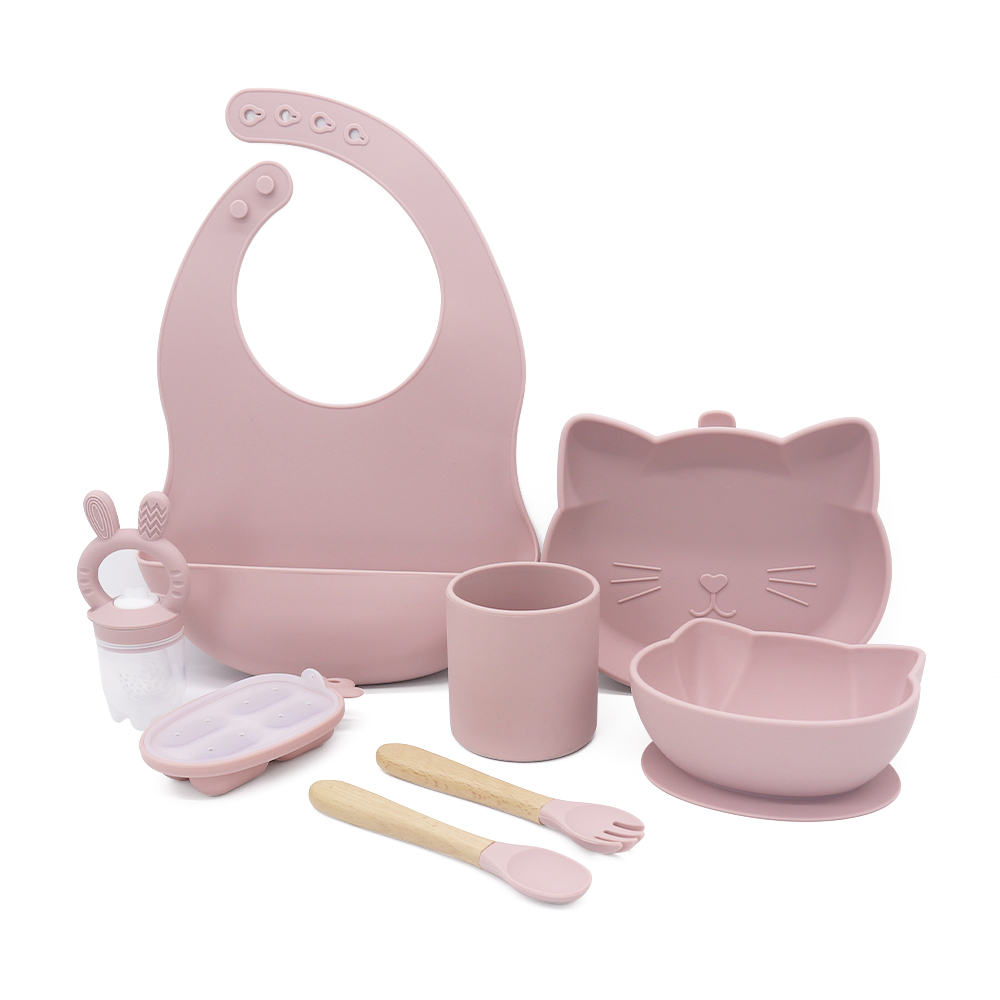
Cat Baby Silicone Feeding Set® Manufacturer
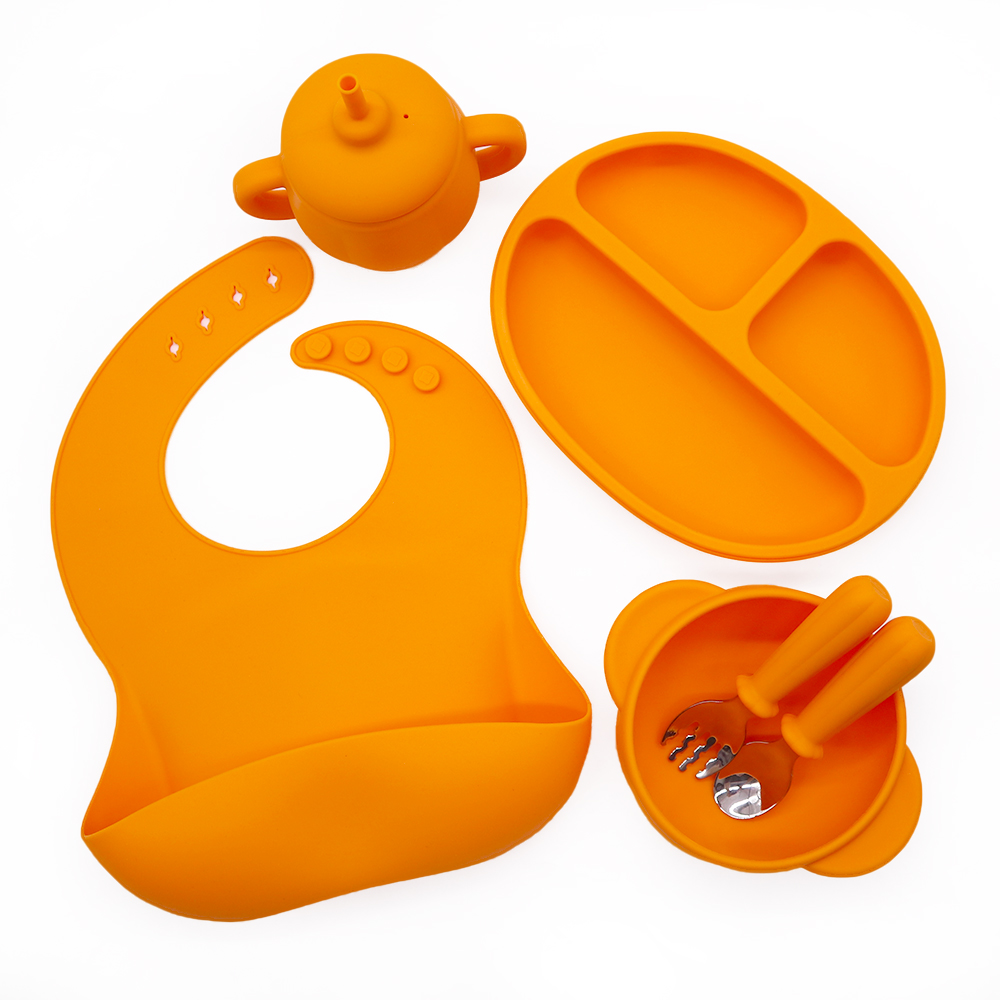
Pumpkin Baby Feeding Set ® Supplier
Christmas Pet Food Bowl® Wholesale